
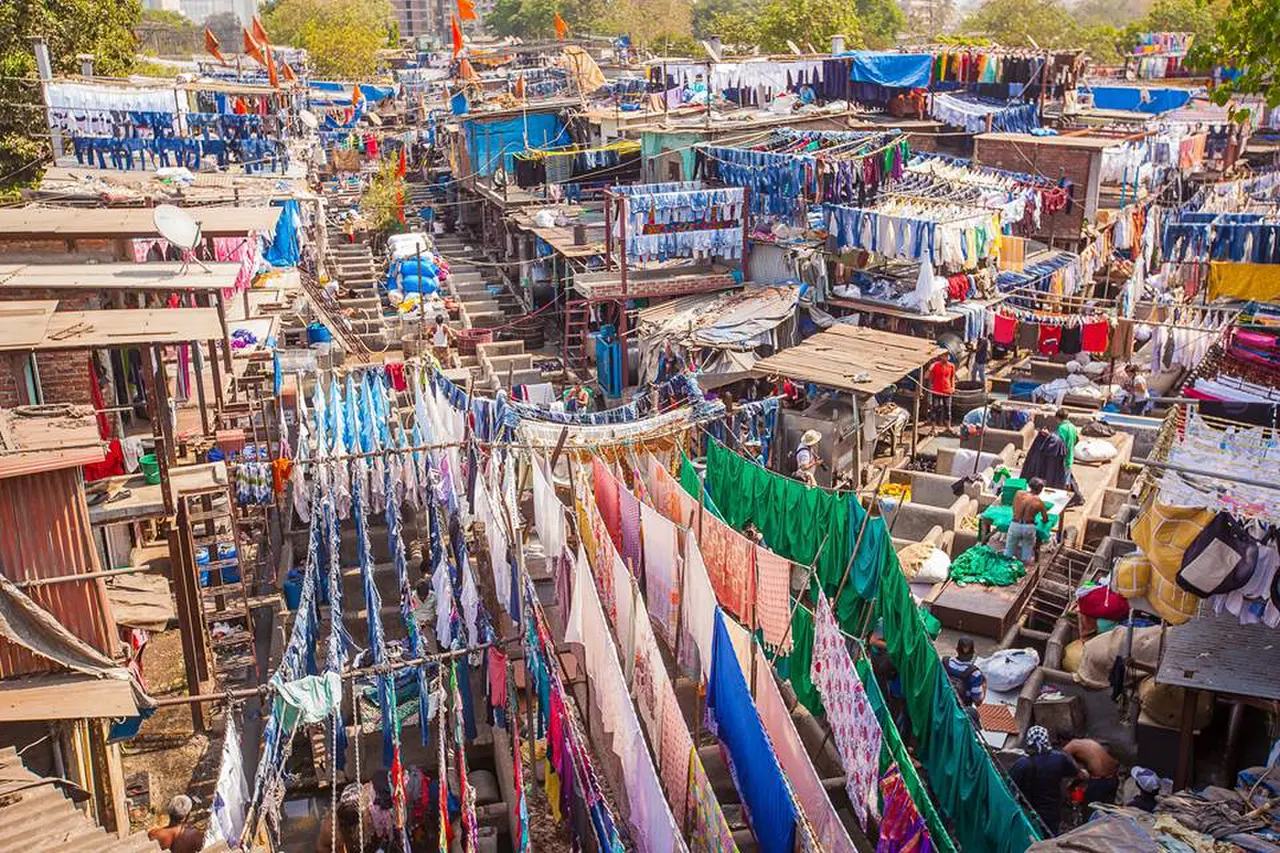
Mumbai Street Food Walk with Mumbai Dream Tours: A Flavourful Journey Through the City’s Culinary Soul
Discover Mumbai through its food, flavours and fascinating local stories. Join Mumbai Dream Tours for an unforgettable street food adventure through the city's famous food stalls, traditional eateries, local markets and vibrant culinary neighbourhoods.
Mumbai is a city that never sleeps, and its food culture is just as energetic as its streets. From the aroma of freshly prepared vada pav to the sizzling sound of pav bhaji on a hot iron griddle, from the tangy taste of pani puri to the sweetness of traditional Indian desserts, every corner of Mumbai offers a new culinary discovery.
For travellers visiting Mumbai, exploring its famous landmarks is an exciting experience. But to understand the real character of this extraordinary city, you must also experience its food.
Food in Mumbai is not simply about satisfying hunger. It is about history, migration, culture, traditions, family businesses and the everyday lives of millions of people. Every neighbourhood has its own specialities, every food vendor has a story, and every dish represents a small part of the city's identity.
The Mumbai Street Food Walk with Mumbai Dream Tours offers an opportunity to explore this fascinating culinary world with a knowledgeable local guide.
Walk through lively streets, discover traditional food establishments, taste some of India's most recognisable snacks, learn about regional cooking traditions and understand why Mumbai is considered one of the country's most exciting food destinations.
Whether you are an international traveller experiencing Indian cuisine for the first time, a passionate foodie searching for authentic flavours, a couple looking for a memorable activity or a solo traveller interested in local culture, this experience promises a delicious journey through Mumbai.
Get ready to explore the city one bite at a time!
1. Mumbai – A City Where Every Street Has a Food Story
Mumbai's food culture reflects the diversity of its population.
Over generations, people from Maharashtra, Gujarat, Goa, South India, North India and many other regions have made Mumbai their home. They brought their culinary traditions, ingredients, recipes and cooking techniques with them.
Over time, these different influences combined to create a distinctive food culture that is uniquely Mumbai.
You can find traditional Maharashtrian snacks next to Gujarati farsan shops, South Indian breakfast restaurants near Irani cafés, and North Indian food stalls alongside coastal seafood establishments.
The city has developed a remarkable relationship with street food because of its busy lifestyle.
Office workers, students, shopkeepers, taxi drivers, railway commuters and families all depend on neighbourhood food businesses for affordable and convenient meals.
Some people begin their mornings with chai and bun maska. Others enjoy a vada pav between train journeys. In the evening, families gather around chaat stalls, while friends meet at pav bhaji restaurants and seaside food destinations.
Food brings people together, regardless of their background or profession.
This is what makes Mumbai's street food culture so special.
During your Mumbai Street Food Walk, you will discover not only what people eat but also why particular dishes became so popular and how food businesses have become an important part of everyday Mumbai life.
2. Experience Mumbai's Street Food Culture with a Local Guide
Exploring a new city's food scene can sometimes be challenging, especially when you are unfamiliar with local ingredients, food names, preparation techniques and neighbourhoods.
This is where a guided culinary experience makes a difference.
With Mumbai Dream Tours, you explore the city's food culture with a local guide who can introduce you to popular dishes, explain their backgrounds and help you discover interesting food establishments.
Instead of simply visiting restaurants, you get an opportunity to understand the stories behind the food.
Your guide can introduce you to:
Famous Mumbai street food specialities.
Traditional Maharashtrian snacks.
Popular Indian chaat preparations.
Local bakeries and traditional cafés.
Sweet shops and Indian desserts.
Coastal and regional food traditions.
The people and families behind local food businesses.
You can also learn about the ingredients, spices and cooking methods that give Mumbai's food its distinctive flavour.
The experience is designed to combine food tasting, cultural learning and neighbourhood exploration.
The real highlight is discovering Mumbai through the eyes of the people who live here.
3. Taste Mumbai's Most Famous Street Food Dishes
Mumbai has countless street food specialities, but certain dishes have become an essential part of the city's culinary identity.
Here are some of the most famous foods you should discover during your visit.
3.1 Vada Pav – The Iconic Mumbai Burger
Vada pav is arguably the most recognisable street food associated with Mumbai.
Often called the Mumbai burger, this simple yet delicious snack consists of a spicy potato fritter placed inside a soft bread roll known as pav.
The potato filling is seasoned with mustard seeds, turmeric, green chillies, garlic and other spices. It is coated in gram flour batter and deep-fried until golden and crispy.
The vada is placed inside the pav and served with different chutneys, commonly including spicy dry garlic chutney and green chutney.
Some vendors also serve it with a fried green chilli.
Why is vada pav so popular?
Its popularity comes from its affordability, convenience and satisfying taste. It became particularly important among Mumbai's working population because it offered a filling snack that could be enjoyed quickly during a busy day.
Today, vada pav is loved by people from all walks of life.
For visitors, tasting a freshly prepared vada pav is one of the simplest ways to experience Mumbai's street food culture.
3.2 Pav Bhaji – Mumbai's Famous Butter-Loving Delicacy
Pav bhaji is another legendary Mumbai dish that has become popular throughout India.
It consists of a spicy vegetable preparation called bhaji, served with soft bread rolls known as pav.
The vegetables are cooked and mashed on a large flat iron griddle called a tawa. Tomatoes, potatoes, peas, cauliflower and other vegetables are combined with a special spice mixture to create a thick, flavourful preparation.
The bhaji is finished with butter, coriander and chopped onions.
The pav is toasted on the same griddle, often with generous amounts of butter.
Pav bhaji is traditionally associated with Mumbai's working-class food culture and has evolved into one of the city's most loved dishes.
What makes it special?
The combination of buttery bread, spicy vegetable mash, lemon and fresh onions creates a delicious balance of flavours.
Watching a pav bhaji vendor prepare several orders simultaneously on a large hot tawa is also an entertaining part of the experience.
3.3 Pani Puri – A Burst of Sweet, Sour and Spicy Flavours
Pani puri is one of India's most popular street snacks.
It consists of small, hollow and crispy puris filled with potato, chickpeas or other ingredients and flavoured with spicy water and chutneys.
The flavoured water commonly contains mint, coriander, tamarind, spices and other ingredients.
Each puri is prepared individually and should be enjoyed immediately after filling.
Mumbai's pani puri vendors often have their own distinctive recipes, with variations in spice levels, sweetness and tanginess.
Some people prefer a spicy version, while others enjoy a sweeter tamarind flavour.
Trying pani puri is an essential experience for anyone interested in Indian street food.
3.4 Bhel Puri – The Perfect Combination of Crunch and Flavour
Bhel puri is a popular Mumbai chaat preparation that combines puffed rice, sev, chopped onions, tomatoes, coriander, chutneys and crunchy ingredients.
The ingredients are mixed together shortly before serving to preserve their texture.
Sweet tamarind chutney provides a pleasant sweetness, while green chutney adds freshness and spice.
The combination creates a delicious sweet, sour, spicy and crunchy snack.
Bhel puri is closely associated with Mumbai's seaside food culture and is particularly popular around beaches and promenades.
It is an excellent example of how simple ingredients can create an unforgettable street food experience.
3.5 Sev Puri – A Traditional Mumbai Chaat Favourite
Sev puri is another famous snack that visitors should discover.
It consists of small crispy puris topped with potatoes, chopped onions, chutneys and generous amounts of fine sev.
The different ingredients create a combination of textures and flavours in every bite.
The tamarind chutney provides sweetness, green chutney adds spice, and the sev gives the dish its distinctive crunch.
Sev puri is commonly enjoyed as an evening snack and is popular across Mumbai's food neighbourhoods.
3.6 Misal Pav – A Spicy Maharashtrian Breakfast
Misal pav is a traditional Maharashtrian preparation that has developed a strong following across Mumbai.
It is made using sprouted beans cooked in a spicy gravy known as rassa.
The dish is topped with farsan, chopped onions, coriander and lemon and served with pav.
Different regions of Maharashtra have their own versions of misal, with variations in spice levels and preparation methods.
Some versions are particularly spicy, while others have a milder flavour.
For travellers interested in regional Indian cuisine, misal pav offers a delicious introduction to Maharashtrian food traditions.
3.7 Bombay Sandwich – A Local Street Food Creation
The Bombay sandwich is a colourful vegetable sandwich that has become a favourite among Mumbai residents.
It typically includes layers of potatoes, cucumbers, tomatoes, beetroot and onions placed between slices of bread.
Green chutney and butter add flavour, while some versions include cheese and additional seasonings.
The sandwich may be served fresh or grilled until the bread becomes crisp and golden.
Its colourful layers, distinctive chutney and simple ingredients make it a popular snack among students, office workers and shoppers.
3.8 Ragda Pattice – A Delicious Chaat Combination
Ragda pattice is a popular Indian street food preparation combining potato patties with a white pea curry known as ragda.
The patties are usually shallow-fried until golden and crispy.
They are topped with ragda, sweet tamarind chutney, spicy green chutney, chopped onions, coriander and sev.
The result is a delicious combination of crispy, soft, tangy, sweet and spicy flavours.
It is a favourite among people who enjoy traditional Indian chaat.
3.9 Dabeli – A Flavourful Western Indian Snack
Dabeli is a popular snack originating from the Kutch region of Gujarat that has also become widely enjoyed in Mumbai.
It consists of a pav filled with a spicy, sweet and tangy potato mixture.
The filling is prepared with a special dabeli masala and may include peanuts, pomegranate seeds, onions and chutneys.
The filled pav is toasted on a griddle and sometimes coated with sev.
Its distinctive combination of sweet, spicy and nutty flavours makes it a memorable street food experience.
3.10 Frankie Rolls – Mumbai's Popular Quick Meal
Frankie rolls are another popular food choice among Mumbai residents.
They generally consist of a flatbread wrapped around a filling of vegetables, paneer, eggs or meat, depending on the preparation.
Spices, chutneys, onions and sauces add additional flavour.
Frankies are especially popular among students, office workers and commuters because they are convenient to eat while travelling around the city.
4. Discover Mumbai's Famous Irani Café Culture
Mumbai's food identity is not limited to street stalls. Its traditional cafés are equally important.
Irani cafés are an iconic part of Mumbai's culinary and cultural history.
They developed through the influence of Persian-speaking migrants who established cafés and restaurants in different parts of the city.
These establishments became popular meeting places for people from different communities.
Traditional Irani cafés are often recognised by their old-style interiors, wooden furniture, mirrors, vintage photographs and welcoming atmosphere.
Some have preserved much of their original character over the decades.
Bun Maska and Irani Chai
One of the most famous combinations associated with Irani cafés is bun maska and Irani chai.
Bun maska is a soft bread roll generously spread with butter.
Irani chai is a strong, creamy tea that is often served in traditional glasses or cups.
The combination is simple but deeply connected to Mumbai's café culture.
Other popular café dishes may include:
Akuri, a Parsi-style scrambled egg preparation.
Bun omelette.
Kheema pav.
Mawa cake.
Bakery biscuits.
Traditional tea and coffee.
Visiting an Irani café offers a glimpse into a different period of Mumbai's history and its multicultural identity.
5. Experience Mumbai's Coastal Culinary Traditions
Mumbai's relationship with food is closely connected to its coastline.
Before becoming the modern metropolitan city we know today, Mumbai was home to fishing communities whose livelihoods depended on the Arabian Sea.
The Koli community, recognised as one of the city's original fishing communities, has played an important role in shaping Mumbai's traditional coastal cuisine.
Seafood remains an important part of the food culture in several neighbourhoods.
Depending on the selected route and guest preferences, visitors may discover traditional coastal food establishments offering:
Bombil fry.
Prawn fry.
Fish curry.
Surmai preparations.
Traditional seafood thalis.
Koli-style fish preparations.
Rice and coconut-based dishes.
Many Maharashtrian coastal recipes use coconut, kokum, tamarind, garlic and regional spices.
These ingredients create distinctive flavours that are different from the food commonly found in other parts of India.
For travellers who enjoy seafood, exploring Mumbai's coastal culinary traditions can be an especially memorable experience.
Vegetarian alternatives can also be arranged or explored depending on the itinerary.
6. Explore Mohammed Ali Road – A Celebration of Mumbai's Food Heritage
Mohammed Ali Road is one of Mumbai's most famous culinary destinations.
The neighbourhood is particularly well known for its food culture during Ramadan, when the streets become lively with evening food stalls and restaurants.
Visitors can discover a wide range of traditional dishes influenced by Mughlai and other regional culinary traditions.
Popular food preparations include:
Kebabs.
Seekh kebabs.
Chicken dishes.
Mutton preparations.
Traditional sweets.
Malpua.
Phirni.
Other festive specialities.
The area offers a fascinating experience for anyone interested in the connection between food, religion, community and local traditions.
During Ramadan, the atmosphere becomes particularly vibrant, with families, visitors and food lovers gathering to enjoy the seasonal food offerings.
Food availability and the experience may differ outside the festive period.
7. Girgaon Chowpatty – Discover Mumbai's Famous Beach Food Culture
Girgaon Chowpatty is one of Mumbai's most recognisable seaside destinations.
Located along the city's famous coastline, the beach is closely associated with evening walks, family gatherings and traditional Mumbai snacks.
Food vendors and nearby establishments offer favourites such as:
Bhel puri.
Sev puri.
Pani puri.
Pav bhaji.
Kulfi.
Other local snacks.
Enjoying local food near the sea provides a different perspective on Mumbai's lifestyle.
For many residents, spending an evening at Chowpatty is a familiar tradition.
The combination of sea views, lively surroundings and local food makes this area particularly interesting for visitors.
It is also a good place to understand why Mumbai's food culture is so closely connected to its public spaces and coastline.
8. Discover the Sweet Side of Mumbai
After exploring spicy and savoury street food, it is time to discover Mumbai's traditional desserts.
Indian sweets are known for their use of milk, sugar, nuts, spices, fruits and different cooking techniques.
Mumbai has numerous traditional sweet shops offering regional specialities and popular Indian desserts.
Some delicious options include:
Kulfi
Kulfi is a traditional Indian frozen dessert made using slowly reduced milk.
It has a rich and creamy texture and is available in flavours such as pistachio, mango, malai and cardamom.
Falooda
Falooda is a refreshing dessert drink combining milk, vermicelli, sweet basil seeds, flavoured syrup and ice cream.
It is especially popular during warmer months.
Jalebi
Jalebi is a traditional Indian sweet made from fermented batter that is shaped into spirals, deep-fried and soaked in sugar syrup.
Its crispy exterior and syrup-filled texture make it a favourite among sweet lovers.
Rabri
Rabri is a rich milk-based dessert prepared by slowly reducing milk until it becomes thick and creamy.
It is often flavoured with cardamom, saffron and nuts.
Indian Mithai
Traditional Indian sweet shops offer a wide variety of mithai, including ladoos, barfi, peda and other regional preparations.
Discovering these sweets provides a delicious introduction to India's diverse dessert traditions.
9. The People Behind Mumbai's Food – Stories of Passion and Entrepreneurship
One of the most interesting aspects of a Mumbai Street Food Walk is discovering the people behind the dishes.
Many food establishments are family-run businesses where recipes and preparation techniques have been passed down through generations.
Some vendors have spent decades perfecting one particular dish.
Others have developed new recipes by combining traditional ingredients with changing customer preferences.
These businesses are an important part of Mumbai's informal economy.
They create employment, support families and provide affordable food to people across the city.
During your experience, your guide can introduce you to the stories behind selected food establishments and explain how local vendors have built their businesses.
You may discover:
Family-run snack shops.
Traditional bakeries.
Local tea establishments.
Popular chaat counters.
Small sweet shops.
Regional food businesses.
Long-standing neighbourhood eateries.
Every business represents hard work, experience and an important connection with the local community.
A great food experience is not only about tasting a dish. It is also about appreciating the person who prepared it.
10. Food Hygiene and Safety – Enjoy Mumbai's Street Food Responsibly
For many international travellers, Indian street food is exciting but can also raise questions about hygiene and food safety.
At Mumbai Dream Tours, we understand that guests want to discover authentic flavours while making sensible food choices.
We believe a good culinary experience should combine local discoveries with careful attention to food-handling practices.
Our food-stop selection aims to consider:
Cleanliness: We look for establishments where the surrounding environment and food preparation areas appear appropriately maintained.
Fresh preparation: Freshly prepared food served hot is generally preferable to food that has been sitting uncovered for extended periods.
Food handling: We pay attention to how food is handled, stored and served.
Drinking water: Guests are encouraged to choose sealed bottled water or appropriately treated drinking water.
Guest preferences: Vegetarian, vegan and other dietary requirements should be discussed before the experience.
Food awareness: Guides can help explain ingredients, preparation styles and common spice combinations.
No restaurant or street food vendor can guarantee zero risk of foodborne illness. Guests should make informed decisions based on their dietary and medical requirements.
Important Food Safety Tips for International Visitors
Prefer freshly cooked food served hot.
Avoid drinking untreated tap water.
Choose sealed bottled water or verified safe drinking water.
Avoid ice when its water source is uncertain.
Be cautious with raw vegetables and pre-cut fruit.
Use hand sanitiser before eating.
Ask about ingredients if you have allergies.
Avoid trying too many unfamiliar dishes at once.
Inform your guide if you have a sensitive stomach.
Seek medical advice before travel if you have specific dietary or health concerns.
Our goal is to help visitors enjoy Mumbai's culinary traditions while remaining mindful of food safety.
11. Vegetarian, Vegan and Special Dietary Food Experiences
Mumbai is an excellent destination for vegetarian food lovers.
Many traditional street food dishes are vegetarian, including vada pav, pav bhaji, bhel puri, sev puri, misal pav, Bombay sandwiches and several varieties of Indian sweets.
However, not every vegetarian dish is vegan.
For example, pav bhaji may contain butter, sandwiches may contain dairy-based spreads, and sweets often contain milk or ghee.
Guests following vegan diets should inform the tour team in advance so that suitable options can be discussed.
The same applies to visitors with food allergies, gluten restrictions, nut allergies or other dietary requirements.
Ingredients and preparation methods should always be checked directly with the food establishment.
12. What Makes the Mumbai Street Food Walk Different?
There are many ways to discover Mumbai's food scene, but a guided food walk allows you to connect the dishes with their cultural background.
With Mumbai Dream Tours, the experience is designed to combine culinary exploration with local storytelling.
Discover authentic local flavours
Explore traditional snacks and food establishments that are part of Mumbai's everyday food culture.
Learn from local guides
Understand the background of dishes, ingredients, cooking techniques and culinary traditions.
Explore neighbourhoods
Experience the atmosphere of Mumbai's food streets and local markets.
Understand food history
Discover how migration and cultural exchange influenced Mumbai's culinary identity.
Meet local food businesses
Learn about the people and family-run establishments behind the city's favourite dishes.
Enjoy a guided experience
Travel through selected food stops with local assistance and guidance.
The experience is about discovering the city through food, culture and meaningful local interactions.
13. Suggested Mumbai Street Food Walk Itinerary
The following is an illustrative itinerary. The actual route, duration and food stops depend on the selected package, guest preferences, opening hours and local conditions.
Meeting Your Local Guide
Meet your Mumbai Dream Tours representative at the confirmed meeting location.
Your guide will introduce the experience, explain the food route and discuss any dietary preferences or restrictions.
Stop 1 – Discover a Traditional Mumbai Snack
Begin with a popular local snack such as vada pav or another regional speciality.
Learn about its ingredients, preparation and popularity among Mumbai residents.
Stop 2 – Explore Mumbai's Chaat Culture
Discover the world of pani puri, bhel puri, sev puri or other traditional chaat preparations.
Understand the different chutneys, spices and ingredients that create their distinctive flavours.
Stop 3 – Experience a Famous Local Food Establishment
Visit a selected establishment known for its traditional preparation or popular local dishes.
Learn about the food business and the people behind it.
Stop 4 – Taste a Maharashtrian Speciality
Explore a regional favourite such as misal pav or another local preparation, depending on availability and preferences.
Stop 5 – Discover Mumbai's Coastal or Regional Food
Depending on the itinerary, explore a suitable coastal food establishment or discover another traditional regional speciality.
Stop 6 – Finish with Something Sweet
End the culinary experience with a traditional Indian dessert, kulfi, falooda or another sweet treat.
Tour Conclusion
Finish your journey with a better understanding of Mumbai's culinary traditions, neighbourhoods and everyday food culture.
Your guide can also share recommendations for other local food destinations to explore during your stay.
14. Best Time to Experience Mumbai's Street Food
Mumbai has an active food culture throughout the year, but different times of the day offer different culinary experiences.
Morning Food Experiences
Morning is a wonderful time to discover traditional breakfast favourites.
Depending on the route, visitors may explore:
Bun maska and chai.
Misal pav.
Idli and dosa.
Poha.
Local sandwiches.
Traditional breakfast preparations.
Morning experiences can offer a glimpse into how residents begin their day.
Afternoon Food Experiences
Afternoon is suitable for discovering local eateries, traditional meals, sandwiches and popular snack shops.
It can also be a good time to explore the food culture around markets and commercial neighbourhoods.
Evening Food Experiences
Evenings are particularly popular for Mumbai street food.
Many snack shops and food establishments become busy as residents finish work, students meet friends and families go out for refreshments.
You may discover:
Pani puri.
Bhel puri.
Sev puri.
Pav bhaji.
Vada pav.
Kulfi and other desserts.
Night Food Experiences
Selected food neighbourhoods offer interesting night-time culinary experiences.
Mohammed Ali Road is especially well known for its food atmosphere during Ramadan.
The best time for your experience depends on the selected route and the opening hours of participating establishments.
15. Mumbai Street Food Walk for International Tourists
Mumbai's food scene is particularly exciting for international visitors because it offers an introduction to Indian ingredients, spices and culinary traditions.
Many visitors are familiar with popular Indian dishes such as butter chicken, naan and biryani.
However, street food introduces a completely different side of Indian cuisine.
You can discover how ingredients such as potatoes, chickpeas, puffed rice, yoghurt, tamarind, mint, coriander and regional spice blends are combined to create a wide variety of dishes.
Your local guide can help explain unfamiliar food names, preparation methods and flavour combinations.
The experience can also help visitors understand Indian food customs, such as eating certain snacks with chutneys, enjoying chai at local cafés and sharing food with friends and family.
For travellers who want to experience Mumbai beyond conventional sightseeing, a culinary walk is an excellent addition to their itinerary.
16. Mumbai Street Food Walk for Families, Students and Corporate Groups
The experience can also be suitable for different types of groups.
Families
Families can discover different Indian dishes and introduce children to new flavours and food traditions.
Parents should inform the guide about children's dietary requirements and preferred spice levels.
Students and Educational Groups
A food walk can introduce students to:
Indian culinary heritage.
Migration and cultural exchange.
Traditional food businesses.
Small-scale entrepreneurship.
Local ingredients and agricultural products.
Food traditions and social history.
Corporate Groups
A guided culinary experience can provide a relaxed opportunity for colleagues to explore local culture together.
It can be included as part of a corporate visit, incentive programme or team experience.
Photography Enthusiasts
Mumbai's food scene offers interesting opportunities to photograph traditional preparation methods, ingredients, street markets and food displays.
Guests should always seek permission before photographing vendors, staff or customers.
17. What Should You Know Before Joining the Mumbai Street Food Walk?
To make the most of your experience, we recommend the following:
Wear comfortable walking shoes.
Choose lightweight clothing suitable for Mumbai's weather.
Carry drinking water.
Bring hand sanitiser.
Inform your guide about food allergies.
Mention vegetarian or vegan preferences in advance.
Tell your guide if you prefer mild food.
Carry some cash for optional purchases.
Ask permission before taking photographs.
Avoid eating a heavy meal immediately before the walk.
Follow your guide's instructions in busy streets and markets.
If you have severe food allergies or significant dietary restrictions, discuss them with Mumbai Dream Tours before confirming your booking.
18. Why Choose Mumbai Dream Tours for Your Street Food Experience?
At Mumbai Dream Tours, we believe that travel is about discovering people, places and stories.
Our guided experiences are designed to introduce visitors to the city's culture through local knowledge and meaningful interactions.
Our Mumbai Street Food Walk brings together the flavours of the city and the stories behind them.
When you explore with us, you can expect:
Knowledgeable and friendly local guides.
Interesting culinary discoveries.
Cultural explanations and food stories.
Attention to food hygiene and guest preferences.
Opportunities to explore traditional food establishments.
A welcoming experience for international visitors.
Small-group and private arrangements, subject to availability.
We want every guest to leave with more than photographs and food memories.
We want them to understand the culture that makes Mumbai special.
19. Combine Your Mumbai Street Food Experience with Other City Tours
If you have additional time in Mumbai, you can explore other experiences offered by Mumbai Dream Tours.
Consider combining your culinary adventure with:
Mumbai by Dawn Tour
Discover the city early in the morning through flower markets, Sassoon Dock, newspaper sorting activities and the daily rhythm of Mumbai.
South Mumbai Heritage Walk
Explore colonial architecture, historic buildings, cultural landmarks and fascinating stories from Mumbai's past.
Dharavi Slum Tour
Discover Dharavi's traditional occupations, recycling industries, leather workshops, pottery and community life through a responsible guided experience.
Dabbawala and Dhobi Ghat Tour
Understand Mumbai's famous lunchbox delivery system and discover the traditional laundry operations at Mahalaxmi Dhobi Ghat.
Mumbai Public Transport Tour
Experience the city's transport network and understand how local residents travel around Mumbai.
These experiences provide different perspectives on the city and can help you create a more complete Mumbai itinerary.
20. Book Your Mumbai Street Food Walk with Mumbai Dream Tours
Are you ready to discover the culinary soul of Mumbai?
Join Mumbai Dream Tours for a flavourful journey through the city's famous street food culture.
Taste traditional Indian snacks, discover local food establishments, learn about the city's culinary history and meet the people who make Mumbai's food scene so special.
From crispy vada pav and delicious pav bhaji to tangy pani puri and traditional Indian desserts, every stop offers an opportunity to discover something new.
Whether you are visiting Mumbai for the first time or returning to explore more of the city, this guided culinary experience offers a wonderful way to connect with local culture.
Don't just visit Mumbai. Taste Mumbai!
Book Your Mumbai Street Food Walk Today
Experience: Mumbai Street Food Walk
Tour Operator: Mumbai Dream Tours
Website: /
Contact: +91 9004135215
Contact our team to enquire about available dates, timings, tour duration, food inclusions, dietary preferences and private tour arrangements.
Mumbai Dream Tours – Real People. Real Stories. Unforgettable Mumbai.
Frequently Asked Questions – Mumbai Street Food Walk
1. What is the Mumbai Street Food Walk by Mumbai Dream Tours?
The Mumbai Street Food Walk is a guided culinary experience introducing visitors to Mumbai's famous street food, traditional snacks, local eateries and food culture. Guests discover popular dishes while learning about their history and cultural significance.
2. What are the most famous street foods in Mumbai?
Some of Mumbai's most famous street foods include vada pav, pav bhaji, pani puri, bhel puri, sev puri, misal pav, Bombay sandwiches, ragda pattice and dabeli.
3. Is the Mumbai Street Food Tour suitable for foreign tourists?
Yes. The tour is suitable for international visitors interested in exploring Indian cuisine. A local guide helps explain unfamiliar dishes, ingredients, preparation methods and food traditions.
4. Is Mumbai street food safe for international travellers?
Food safety depends on the individual establishment and its food-handling practices. Mumbai Dream Tours aims to select suitable food stops with attention to cleanliness and freshly prepared food. Guests should follow basic food safety precautions and inform the team about dietary concerns.
5. Can I join the tour if I am vegetarian?
Yes. Mumbai offers a wide variety of vegetarian street food, including vada pav, pav bhaji, pani puri, bhel puri, sev puri and misal pav. Please inform the tour team of your preferences.
6. Are vegan food options available?
Vegan options may be available, but many popular Indian street foods contain butter, ghee, yoghurt or other dairy products. Please inform the team in advance so suitable options can be discussed.
7. Can I enjoy the tour if I do not like spicy food?
Yes. Several Indian snacks can be enjoyed with milder spice levels. Your guide can help discuss suitable choices with participating establishments.
8. Can people with food allergies participate?
Guests with allergies should discuss their requirements before booking. Food ingredients and possible cross-contact should be checked directly with the food establishments. Severe allergies require particular caution.
9. What food will I taste during the tour?
Depending on the selected route and package, you may discover vada pav, pav bhaji, pani puri, bhel puri, Bombay sandwiches, regional snacks, traditional desserts and other Mumbai specialities.
10. Does the Mumbai Street Food Walk include food and drinks?
Food and beverage inclusions depend on the selected package. Please confirm the number of tastings, included items and additional expenses with Mumbai Dream Tours before booking.
11. How long does the Mumbai Street Food Walk take?
The duration depends on the selected itinerary, number of food stops and walking route. Contact Mumbai Dream Tours for the current schedule and duration.
12. What is the best time to experience Mumbai street food?
Evenings are particularly popular for street food, as many vendors and local eateries become busy after working hours. Morning experiences can also be enjoyable for traditional breakfast dishes.
13. Is the tour suitable for children?
Yes. Families can enjoy discovering different Indian food traditions. Parents should inform the guide about children's food preferences, allergies and spice tolerance.
14. Can I book a private Mumbai Street Food Tour?
Yes. Private tour arrangements may be available. Contact Mumbai Dream Tours to discuss your preferred date, group size, dietary requirements and customised food preferences.
15. Can the tour include seafood?
Seafood experiences may be possible depending on the selected route, food establishment availability and guest preferences. Please request this when enquiring.
16. Will we visit famous food stalls and local restaurants?
The itinerary can include selected popular food establishments and local eateries depending on the chosen experience and operating conditions.
17. Do I need to carry cash?
It is advisable to carry some Indian currency for optional food purchases, shopping and personal expenses. Payment arrangements for the tour should be confirmed at booking.
18. Can I take photographs during the food walk?
Yes, food photography is generally possible in suitable public areas. Always ask permission before photographing food vendors, customers or private premises.
19. Can the food walk be customised?
Customisation may be possible depending on the group, timing, dietary preferences and availability of food establishments. Discuss your requirements with the tour team in advance.
20. How can I book the Mumbai Street Food Walk?
Visit / or contact Mumbai Dream Tours at +91 9004135215 to enquire about the experience and available booking options.
Final Thought – Mumbai Is Best Experienced One Bite at a Time!
Mumbai is a city of endless energy, fascinating people and unforgettable flavours.
Its culinary identity can be discovered in the smallest street food stall, the oldest Irani café, the busiest chaat counter and the traditional sweet shop around the corner.
Every dish tells a story about the people who created it, the communities who embraced it and the generations who continue to enjoy it.
A Mumbai Street Food Walk is more than a food tasting experience. It is an invitation to discover the city's culture, traditions and everyday life through its most delicious creations.
So bring your appetite, follow the aromas and prepare for an unforgettable culinary adventure.
Come hungry. Discover the flavours. Experience the real Mumbai!
Mumbai Dream Tours – Your Gateway to Authentic Mumbai Experiences.