
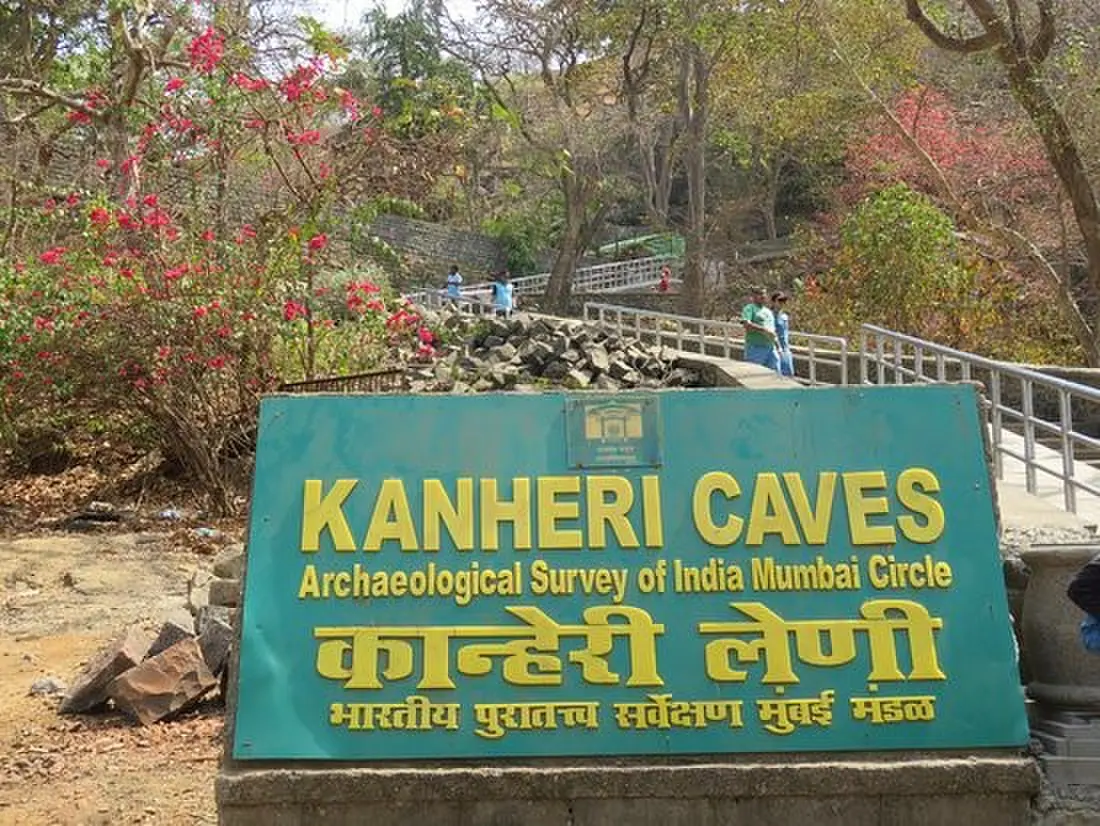
Kanheri Caves Tour with Mumbai Dream Tours – A Journey Through Time
Discover the ancient Buddhist heritage of Mumbai at Kanheri Caves, a remarkable collection of rock-cut monuments hidden within the lush green surroundings of Sanjay Gandhi National Park. Explore centuries-old monasteries, meditation chambers, magnificent Buddhist stupas, ancient inscriptions and fascinating architectural wonders with Mumbai Dream Tours.
Mumbai is famous for its bustling streets, historic architecture, Bollywood film industry, beautiful coastline and vibrant culture. But beyond the modern city lies an extraordinary historical treasure that takes visitors more than 2,000 years into the past.
Hidden among the green hills of Sanjay Gandhi National Park, the Kanheri Caves offer a completely different perspective on Mumbai. Far away from the noise of traffic and crowded markets, this ancient Buddhist complex provides an opportunity to discover the spiritual, architectural and educational traditions of early India.
The Kanheri Caves Tour with Mumbai Dream Tours invites you to explore one of Mumbai's most fascinating historical attractions with a knowledgeable local guide. Walk through ancient rock-cut caves, discover the lives of Buddhist monks, understand the importance of meditation and learning, and admire the remarkable craftsmanship of artisans who created these monuments using traditional tools and extraordinary skill.
Whether you are a history enthusiast, architecture lover, photographer, student, spiritual traveller or international visitor, Kanheri Caves offers a memorable experience away from Mumbai's usual tourist attractions.
Step into the past, discover India's Buddhist heritage and experience a hidden historical side of Mumbai with Mumbai Dream Tours.
1. Discover Kanheri Caves – Mumbai's Hidden Historical Treasure
Kanheri Caves are situated inside Sanjay Gandhi National Park in Borivali, in the northern part of Mumbai.
Unlike many historical monuments located in crowded urban areas, Kanheri is surrounded by forest landscapes, rocky hills, greenery and natural water channels.
The caves were carved into a massive basalt rock formation over many centuries and developed into an important Buddhist monastic settlement.
The complex contains more than 100 rock-cut caves, with 109 being a commonly cited count. These caves served different purposes, including Buddhist prayer halls, meditation spaces, residential quarters, assembly areas and places of learning.
The archaeological remains demonstrate how Buddhist communities established a centre for religious activities, education and spiritual practice in this region.
The name Kanheri is associated with the Sanskrit expression Krishnagiri, meaning Black Mountain, a reference to the dark volcanic rock from which the caves were excavated.
Today, Kanheri Caves are an important heritage attraction in Mumbai, attracting visitors interested in ancient Indian history, Buddhist philosophy, architecture and nature.
The combination of archaeological monuments and forest surroundings makes the destination particularly special.
2. The Fascinating History of Kanheri Caves
<image-placeholder>Kanheri Caves ancient Buddhist rock-cut architecture and monastery</image-placeholder>
The history of Kanheri Caves stretches across several centuries, with the earliest excavations dating back to around the 1st century BCE and activity continuing into approximately the 10th century CE.
This long period of development makes Kanheri an important archaeological site for understanding the evolution of Buddhist architecture and religious traditions in western India.
The Early Buddhist Period
The earliest caves were relatively simple in design.
They were created to provide Buddhist monks with places for meditation, residence and religious activities.
During this period, Buddhist monastic communities relied on donations and support from merchants, traders, wealthy individuals and local patrons.
The location was particularly suitable for monastic life because it offered a peaceful environment away from busy settlements.
The surrounding region was also connected to important commercial routes and trading centres, which helped Buddhist communities receive support from travellers and merchants.
The Growth of the Monastic Settlement
As Buddhism developed across western India, Kanheri became an increasingly important centre of religious activity.
Additional caves were excavated, and existing structures were developed with more sophisticated architectural features.
The complex gradually included:
Residential caves for Buddhist monks.
Large prayer and assembly halls.
Rock-cut stupas.
Buddha sculptures.
Inscriptions and decorative carvings.
Water storage systems.
Meditation and study spaces.
Kanheri became more than a collection of caves. It developed into a large monastic community where monks could live, study, meditate and practise their religious traditions.
The Development of Buddhist Art
Over the centuries, the artistic style of the caves also changed.
Earlier structures commonly reflected simpler Buddhist architectural traditions, while later excavations included more elaborate Buddha images, Bodhisattva sculptures and decorative elements.
These developments provide valuable information about the changing artistic and religious traditions of Buddhism in western India.
Kanheri's Historical Importance Today
Today, Kanheri Caves are protected as an important archaeological heritage site.
The caves offer historians, archaeologists, students and visitors an opportunity to understand ancient Indian society through architecture, inscriptions, religious art and engineering.
Their importance extends beyond religion because they also provide evidence of ancient education, craftsmanship, trade networks and community patronage.
3. Explore the Magnificent Rock-Cut Architecture
<image-placeholder>Ancient Kanheri Buddhist cave entrance with stone pillars</image-placeholder>
One of the most impressive aspects of Kanheri Caves is the architectural skill involved in creating the monuments.
Unlike conventional buildings constructed using separate blocks of stone, these caves were excavated directly from the natural basalt rock.
Artisans gradually removed the surrounding rock to create halls, chambers, columns, sculptures and other architectural features.
This required extraordinary planning, technical knowledge and patience.
The architecture demonstrates an understanding of structural proportions, natural rock formations, drainage and the practical needs of a monastic community.
Chaityagrihas – Ancient Buddhist Prayer Halls
A Chaityagriha is a Buddhist prayer or worship hall.
These structures were designed for religious gatherings, meditation and ceremonial activities.
One of the most important architectural highlights at Kanheri is its large prayer hall, which features impressive rock-cut columns and a stupa.
The hall provides a glimpse into how Buddhist communities gathered for collective religious practices.
Visitors can admire the symmetry of the architecture, the carved pillars and the arrangement of the interior space.
Viharas – Residential Caves for Buddhist Monks
Viharas were residential spaces where Buddhist monks lived.
Many of the Kanheri caves contain simple chambers designed for individual or shared monastic accommodation.
These spaces often include:
Small sleeping chambers.
Stone benches and beds.
Simple entrances.
Meditation areas.
Rock-cut water facilities.
The relatively simple design reflects the monastic lifestyle, where simplicity, discipline and spiritual practice were important.
Rock-Cut Pillars and Corridors
Several caves contain beautifully carved pillars and entrance structures.
The pillars support architectural elements while also contributing to the visual appearance of the prayer halls.
The corridors and verandas connect different areas and provide spaces where visitors can appreciate the craftsmanship of the ancient builders.
4. The Great Buddhist Stupa – A Symbol of Faith and Enlightenment
<image-placeholder>Kanheri Caves Buddhist stupa inside ancient rock-cut prayer hall</image-placeholder>
A stupa is one of the most important architectural symbols in Buddhist tradition.
It represents the teachings of Buddha and is associated with remembrance, meditation and the spiritual path towards enlightenment.
At Kanheri, stupas can be found in different architectural settings, including prayer halls and other religious structures.
The larger prayer hall is particularly notable because of its stupa, which forms the central focus of the interior.
As you enter the hall, notice how the surrounding columns guide attention towards the central monument.
The architecture creates an atmosphere of calm and reverence, allowing visitors to imagine the religious gatherings that took place here centuries ago.
Your guide can explain the significance of stupas in Buddhist philosophy and how these structures became important features of Buddhist monasteries across India.
5. Discover the Magnificent Buddha Sculptures and Bodhisattvas
<image-placeholder>Kanheri ancient Buddha statues Bodhisattva rock carvings</image-placeholder>
Kanheri Caves contain numerous sculptures depicting Buddha and Bodhisattvas.
These carvings provide an important record of the development of Buddhist artistic traditions.
Buddha images are represented in different poses and hand gestures, known as mudras.
Each gesture can communicate a particular spiritual meaning or aspect of Buddhist teaching.
Some sculptures show Buddha seated in meditation, while others depict him standing in a teaching or symbolic posture.
Bodhisattvas are enlightened beings associated with compassion and the intention to help others progress towards enlightenment.
Their representations often include detailed ornaments, distinctive clothing and symbolic attributes.
These sculptures are particularly interesting because they reflect the artistic development of Buddhism across different historical periods.
Visitors can observe:
Seated Buddha figures.
Standing Buddha sculptures.
Bodhisattva representations.
Carved religious panels.
Decorative stone details.
Symbolic Buddhist imagery.
The sculptures also help visitors understand how religious beliefs were communicated visually in ancient India.
6. Ancient Inscriptions – Messages from the Past
One of the most valuable features of Kanheri Caves is its collection of historical inscriptions.
These inscriptions provide evidence of the people who supported the monastery and the communities associated with it.
Some inscriptions record donations made by merchants, wealthy individuals, rulers, officials and other patrons.
They help historians understand the relationship between Buddhist monasteries and the economic and social life of ancient western India.
The inscriptions also provide information about historical languages, scripts, religious traditions and patronage.
Different inscriptions at the site are associated with scripts including Brahmi and later writing traditions.
Why Are These Inscriptions Important?
They help researchers understand:
Who supported the Buddhist community.
How monasteries received donations.
The importance of merchants and trade.
The development of Buddhist religious institutions.
Historical names and regional connections.
The evolution of ancient Indian writing systems.
During the Kanheri Caves Tour, your guide can help explain the significance of selected inscriptions and why they are important for understanding India's history.
7. Ancient Rainwater Harvesting – An Engineering Marvel
<image-placeholder>Kanheri Caves ancient rock cut water cistern and rainwater harvesting system</image-placeholder>
One of the most fascinating aspects of Kanheri Caves is its ancient water management system.
Living in a rocky hill environment presented a major challenge for the Buddhist monks who occupied the complex.
They needed a reliable supply of water for drinking, cooking, cleaning and everyday activities.
To address this challenge, ancient builders developed an impressive network of rock-cut channels, cisterns and storage facilities.
Rainwater was collected from surrounding rock surfaces and directed through carefully designed channels into storage tanks.
These cisterns helped retain water during periods when rainfall was limited.
How Did the System Work?
The system relied on several important elements:
Rock surfaces: Natural and carved surfaces helped collect rainwater.
Channels: Small rock-cut passages directed water towards storage areas.
Cisterns: Excavated tanks stored collected water.
Drainage planning: The system helped manage the movement of water through the rocky landscape.
Storage facilities: Different caves and areas included water storage arrangements.
The system demonstrates an understanding of local geography and seasonal rainfall patterns.
It also provides an interesting example of how ancient communities adapted to their environment.
For modern visitors, the water management system is a reminder that sustainable resource management is not a new concept.
Ancient communities developed practical methods to conserve natural resources using the materials and knowledge available to them.
8. The Ancient Buddhist Lifestyle at Kanheri
Imagine living at Kanheri more than a thousand years ago.
There were no modern buildings, electricity, vehicles or contemporary facilities.
The monks lived in simple rock-cut chambers, followed disciplined daily routines and devoted time to meditation, study and religious activities.
Their lives were closely connected to nature and the surrounding environment.
Daily Activities of Buddhist Monks
Although routines could vary across different periods and monastic communities, Buddhist monastic life generally involved:
Meditation and mindfulness practices.
Study of Buddhist teachings.
Religious discussions.
Communal prayers.
Daily responsibilities within the monastery.
Observance of monastic discipline.
Interaction with visiting devotees and travellers.
The architecture of Kanheri reflects the practical needs of this lifestyle.
Residential chambers offered private spaces, while larger halls provided areas for communal religious activities.
The peaceful setting of the caves would have supported meditation and spiritual reflection.
Exploring these spaces allows visitors to understand how religion, education and daily life were connected in ancient Buddhist communities.
9. Kanheri Caves and the Spread of Buddhism in Western India
Kanheri played an important role in the development of Buddhism in western India.
Its location and historical connections made it part of a wider network of Buddhist monastic centres.
Ancient trading routes connected important settlements and ports across the region.
Merchants and travellers helped support religious institutions through donations and patronage.
Buddhist monasteries also served as places where travellers could find religious communities, spiritual guidance and accommodation.
The development of Kanheri reflects the relationship between religion, commerce and society during ancient times.
Connections with Other Buddhist Heritage Sites
Kanheri belongs to a wider tradition of Buddhist rock-cut architecture in western India.
Visitors interested in Buddhist history may also enjoy exploring:
Ajanta Caves: Famous for their ancient Buddhist paintings, sculptures and monasteries.
Ellora Caves: An extraordinary complex featuring Buddhist, Hindu and Jain monuments.
Karla Caves: Known for their impressive Buddhist prayer hall and ancient architecture.
Bhaja Caves: An important group of early Buddhist rock-cut monuments.
Bedse Caves: A lesser-known Buddhist cave complex with distinctive architectural features.
Exploring these destinations helps visitors understand the wider development of Buddhist art and architecture across Maharashtra.
10. The Natural Beauty of Sanjay Gandhi National Park
<image-placeholder>Sanjay Gandhi National Park lush forest hills near Kanheri Caves Mumbai</image-placeholder>
The experience of visiting Kanheri Caves is not limited to history and architecture.
The caves are located within Sanjay Gandhi National Park, one of Mumbai's most important green spaces.
The park offers a remarkable contrast to the city's busy urban environment.
Its landscape includes forested hills, valleys, streams, rocky formations and natural habitats.
Visitors travelling towards the caves can experience the beauty of the surrounding forest and the peaceful atmosphere of the park.
Wildlife and Natural Surroundings
Sanjay Gandhi National Park supports a variety of wildlife and plant species.
Depending on the season and conditions, visitors may encounter:
Different species of birds.
Butterflies.
Monkeys.
Deer.
Reptiles.
Various native plants and trees.
The park is also known for its biodiversity and important forest ecosystem.
Visitors should remember that they are entering a protected natural area and should avoid disturbing wildlife.
A Green Escape from Mumbai
For many visitors, the most surprising aspect of Kanheri is the amount of greenery surrounding the caves.
It is difficult to imagine that such a large natural landscape exists within Mumbai's metropolitan boundaries.
The forest environment makes the visit particularly enjoyable for people who appreciate nature, photography and outdoor exploration.
11. Photography at Kanheri Caves – Capture History and Nature
<image-placeholder>Kanheri Caves Mumbai scenic ancient stone architecture photography</image-placeholder>
Kanheri offers excellent opportunities for photography enthusiasts.
The combination of ancient rock formations, carved architectural details, Buddha sculptures and natural surroundings creates a variety of interesting photographic subjects.
Popular Photography Opportunities
Ancient cave entrances: Capture the impressive rock-cut entrances and surrounding basalt formations.
Buddhist sculptures: Photograph the intricate details of Buddha and Bodhisattva carvings where photography is permitted.
Stone pillars: Explore the architectural patterns inside selected caves.
Water cisterns: Document the remarkable ancient engineering features.
Forest landscapes: Capture the green hills and natural environment surrounding the caves.
Panoramic views: Enjoy scenic views from suitable visitor areas.
Photography Guidelines
Please follow the rules displayed at the monument and within Sanjay Gandhi National Park.
Do not touch or damage sculptures.
Avoid using flash where prohibited.
Do not climb restricted structures.
Respect other visitors.
Avoid disturbing wildlife.
Follow photography restrictions in protected areas.
Do not leave equipment unattended.
The goal is to preserve the heritage site while allowing future generations to enjoy it.
12. Why Visit Kanheri Caves with Mumbai Dream Tours?
Exploring an ancient heritage site becomes more meaningful when you understand what you are seeing.
Without historical context, visitors may simply notice old caves, pillars and sculptures.
With a knowledgeable guide, these structures become part of a much larger story about ancient Indian civilisation.
At Mumbai Dream Tours, we aim to make historical experiences informative, engaging and accessible to visitors from different backgrounds.
Our Kanheri Caves experience is designed around local knowledge, historical exploration and cultural understanding.
What Makes the Experience Special?
Local guidance: Understand the destination through explanations from a knowledgeable guide.
Historical storytelling: Discover the lives of Buddhist monks and the development of the monastery.
Architectural exploration: Learn about stupas, viharas, prayer halls and rock-cut engineering.
Cultural understanding: Discover the importance of Buddhism in the history of western India.
Nature and heritage: Experience the beautiful surroundings of Sanjay Gandhi National Park.
Photography opportunities: Enjoy opportunities to capture the historical monuments and natural scenery.
Educational value: Make the experience suitable for students, history enthusiasts and curious travellers.
Our aim is to help visitors connect with the history of Mumbai beyond its familiar tourist attractions.
13. Suggested Kanheri Caves Tour Itinerary
The following is an illustrative itinerary. The actual duration, meeting point, transport arrangements and inclusions depend on the selected Mumbai Dream Tours package.
Step 1 – Meet Your Mumbai Dream Tours Guide
Meet your guide at the confirmed meeting point.
Receive a brief introduction to the day's experience, the history of Kanheri and the journey ahead.
Step 2 – Travel Towards Sanjay Gandhi National Park
Travel towards Borivali and the entrance of Sanjay Gandhi National Park.
During the journey, learn about the park's history, its natural environment and its importance to Mumbai.
Step 3 – Enter Sanjay Gandhi National Park
Complete the necessary entrance formalities and travel towards the Kanheri Caves area using the permitted transport arrangements.
Enjoy the forest surroundings and observe the changing landscape as you move away from the urban environment.
Step 4 – Discover the Ancient Buddhist Caves
Begin exploring selected caves and understand how the monastic settlement developed over centuries.
Learn about the differences between prayer halls and residential caves.
Step 5 – Explore the Great Prayer Hall and Stupa
Discover the architectural features of the Chaityagriha and understand the importance of the stupa in Buddhist tradition.
Step 6 – Understand the Buddha Sculptures and Inscriptions
Explore selected sculptures and historical inscriptions.
Learn about Buddhist artistic traditions and the people who supported the monastery.
Step 7 – Discover Ancient Water Management
Observe the rock-cut cisterns and water channels.
Understand how the ancient community collected and stored rainwater.
Step 8 – Enjoy the Natural Surroundings
Spend time appreciating the landscape, forest environment and scenic views from permitted visitor areas.
Step 9 – Return Journey
After completing the exploration, return through the permitted route and conclude your experience with Mumbai Dream Tours.
14. Best Time to Visit Kanheri Caves
Kanheri Caves can be visited throughout much of the year, but weather conditions can influence the overall experience.
Winter Season – November to February
Winter is generally one of the most comfortable periods to explore Kanheri.
The temperatures are comparatively pleasant, making it easier to walk around the cave complex and enjoy the surrounding landscape.
This season is particularly suitable for international tourists, families and photography enthusiasts.
Summer Season – March to May
Summer temperatures in Mumbai can be high, particularly during the afternoon.
If visiting during this period, an earlier start is generally preferable.
Carry drinking water, wear comfortable clothing and take breaks when necessary.
Monsoon Season – June to September
The monsoon transforms Sanjay Gandhi National Park into a beautiful green landscape.
The surrounding hills, trees and streams become particularly attractive during this season.
However, rain can make rocky pathways and steps slippery.
Visitors should wear appropriate footwear, follow park instructions and avoid restricted areas.
Recommended Time of Day
Morning visits are generally preferable for comfortable walking and exploring.
Always check the latest official opening hours, ticket availability and weather advisories before planning your visit.
15. How to Reach Kanheri Caves from Mumbai
Kanheri Caves are located inside Sanjay Gandhi National Park in Borivali, Mumbai.
Visitors can reach the destination using different transport options.
By Local Train
Borivali Railway Station is the most convenient major railway station for reaching Sanjay Gandhi National Park.
Borivali is connected to different parts of Mumbai through the Western Railway suburban network.
From the station, visitors can take a taxi, auto-rickshaw or other permitted transport towards the national park entrance.
By Road
Visitors can reach the park entrance by private car, taxi or other road transport.
The travel time depends on the starting location and traffic conditions.
By Public Transport
Mumbai's bus and suburban railway networks provide connectivity to Borivali.
Visitors can plan their journey according to their starting point and available services.
From South Mumbai
Travellers staying around Colaba, Fort, Marine Drive or Churchgate can travel towards Borivali by road or suburban train.
The local train is often a practical option during busy traffic periods.
From Mumbai Airport
Visitors arriving at Chhatrapati Shivaji Maharaj International Airport can reach Borivali using road transport or a combination of public transport services.
The most suitable option depends on luggage, travel time and traffic conditions.
16. Important Things to Know Before Visiting Kanheri Caves
To enjoy a comfortable and safe visit, keep the following recommendations in mind.
Clothing
Wear comfortable and breathable clothing suitable for walking.
Respect the religious and historical significance of the monument.
Footwear
Choose comfortable walking shoes with good grip.
There are steps, uneven rock surfaces and outdoor pathways.
Drinking Water
Carry sufficient drinking water, especially during warmer months.
Food
Carry appropriate snacks if needed, and use only designated areas for eating.
Avoid littering and follow park regulations.
Sun Protection
Use sunscreen, sunglasses and a cap or hat when appropriate.
Physical Fitness
Some cave areas involve climbing steps and walking on uneven surfaces.
Visitors with mobility limitations should check accessibility information before booking.
Wildlife Safety
Do not feed monkeys or other animals.
Maintain a safe distance from wildlife and avoid carrying food openly near animals.
Heritage Protection
Do not scratch, write on or damage the cave walls.
Avoid touching fragile carvings and follow the instructions provided by authorities.
Photography
Follow the latest photography regulations and restrictions at the monument.
17. Kanheri Caves Tour for School and College Students
Kanheri Caves offers an excellent educational experience for students.
A visit introduces young learners to ancient Indian history, Buddhist philosophy, architecture, archaeology, environmental conservation and traditional engineering.
The monument can be particularly useful for students studying history, geography, art, architecture and cultural heritage.
Educational Learning Opportunities
Students can understand:
The development of Buddhism in western India.
Ancient Indian rock-cut architecture.
The role of Buddhist monasteries.
Traditional water harvesting techniques.
Ancient writing systems and inscriptions.
Historical trade and merchant communities.
The relationship between religious institutions and society.
The importance of preserving archaeological monuments.
Suggested Activities for Student Groups
Historical observation: Identify architectural features of selected caves.
Architecture study: Compare Chaityagrihas and Viharas.
Environmental learning: Understand the relationship between the monastery and its natural surroundings.
Engineering study: Observe the ancient water storage system.
Cultural discussion: Explore the role of Buddhism in Indian history.
Mumbai Dream Tours can discuss educational group arrangements, subject to availability and the applicable permissions and park regulations.
18. Responsible Tourism – Protecting Mumbai's Ancient Heritage
Kanheri Caves are an important part of India's cultural heritage.
The preservation of such historical sites depends on responsible behaviour from visitors, tour operators and local authorities.
At Mumbai Dream Tours, we believe tourism should help people appreciate cultural heritage while respecting the places and communities that make travel meaningful.
We encourage our guests to:
Avoid littering.
Respect restricted areas.
Never damage ancient structures.
Avoid touching delicate sculptures.
Follow instructions from park authorities.
Avoid feeding wildlife.
Use designated walking routes.
Respect other visitors.
Support heritage conservation through responsible behaviour.
The natural environment is also an important part of the Kanheri experience.
Protecting the forest, respecting wildlife and preserving the archaeological remains should be part of every visitor's responsibility.
Travel is more meaningful when we leave the destination as beautiful and valuable as we found it.
19. Combine Kanheri Caves with Other Mumbai Experiences
If you have additional time in Mumbai, you can explore other cultural and historical experiences with Mumbai Dream Tours.
South Mumbai Heritage Walk
Discover colonial-era architecture, historic landmarks, beautiful buildings and fascinating stories from Mumbai's past.
Dharavi Slum Tour
Explore Dharavi's traditional occupations, recycling industries, leather workshops, pottery and local community life through a responsible guided experience.
Elephanta Caves Tour
Visit the famous island heritage site near the Gateway of India and explore its magnificent rock-cut temples and sculptures.
Mumbai by Dawn Tour
Discover Mumbai early in the morning through its flower markets, Sassoon Dock, newspaper sorting activities and local daily life.
Dabbawala and Dhobi Ghat Tour
Learn about Mumbai's famous lunchbox delivery network and explore the traditional laundry operations at Mahalaxmi Dhobi Ghat.
Mumbai Public Transport Tour
Discover how Mumbai's local trains, buses and other public transport systems connect the city.
Combining these experiences can help visitors discover different aspects of Mumbai's history, culture, architecture and everyday life.
20. Frequently Asked Questions About Kanheri Caves
1. Where are Kanheri Caves located?
Kanheri Caves are located inside Sanjay Gandhi National Park in Borivali, Mumbai, Maharashtra.
2. How old are Kanheri Caves?
The earliest excavations date back to around the 1st century BCE, with development continuing through approximately the 10th century CE.
3. How many caves are there at Kanheri?
The complex is commonly described as containing 109 caves, although different official and historical sources use varying counts depending on how the excavations are classified.
4. Why are Kanheri Caves famous?
Kanheri is famous for its ancient Buddhist monasteries, prayer halls, Buddha sculptures, stupas, inscriptions and sophisticated rock-cut water management system.
5. What does the name Kanheri mean?
The name is associated with the Sanskrit word Krishnagiri, meaning Black Mountain, referring to the dark basalt rock formation.
6. Who built Kanheri Caves?
The caves were excavated by Buddhist communities over several centuries, with support from rulers, merchants, officials, wealthy donors and other patrons.
7. What religion is associated with Kanheri Caves?
Kanheri is primarily a Buddhist archaeological site associated with Buddhist monastic life, worship, meditation and learning.
8. What is the difference between a Chaitya and a Vihara?
A Chaitya is a Buddhist prayer or worship hall, often containing a stupa. A Vihara is a residential monastery or living space for Buddhist monks.
9. Are there Buddha statues inside Kanheri Caves?
Yes. Several caves contain Buddha sculptures, Bodhisattva figures and other Buddhist artistic representations.
10. Can visitors see ancient inscriptions?
Yes. The caves contain historical inscriptions that provide information about donors, patrons, religious communities and the history of the monastery.
11. What is special about the water system at Kanheri?
Kanheri contains an impressive ancient rainwater collection and storage system featuring rock-cut channels and cisterns.
12. How do I reach Kanheri Caves from Borivali Station?
Borivali Railway Station is the nearest major railway station. From there, visitors can take a taxi, auto-rickshaw or other permitted transport to the national park entrance and continue towards the caves using authorised transport arrangements.
13. Is Kanheri Caves suitable for families?
Yes. Families interested in history, architecture and nature can enjoy the experience. However, some areas involve steps and uneven surfaces.
14. Is Kanheri Caves suitable for children?
Yes. It can be an interesting educational experience for children, particularly those interested in history and ancient architecture. Adult supervision is important around steps and rocky areas.
15. Can senior citizens visit Kanheri Caves?
Senior citizens can visit, but the amount of walking and climbing involved should be considered. Visitors with mobility limitations should check accessibility arrangements in advance.
16. Is photography allowed at Kanheri Caves?
Photography is generally possible in permitted areas, but visitors must follow the latest rules and restrictions displayed at the monument.
17. Is Kanheri Caves open during the monsoon?
The caves are a popular monsoon destination, but access may be affected by heavy rainfall, safety restrictions or temporary closures. Check official park information before visiting.
18. Is Kanheri Caves a UNESCO World Heritage Site?
Kanheri Caves are an important protected archaeological monument, but they are not currently individually listed as a UNESCO World Heritage Site.
19. How much time should I spend at Kanheri Caves?
The time required depends on the number of caves explored, walking pace and interest in historical details. Allow sufficient time for travel, park entry and exploration. Confirm the expected duration with Mumbai Dream Tours before booking.
20. Can I visit Kanheri Caves with a private guide?
Yes. You can enquire with Mumbai Dream Tours about private guided arrangements, subject to guide availability and applicable site regulations.
21. Are food and drinks available inside the park?
Facilities and availability can change. Visitors should carry drinking water and check the latest park information regarding food facilities and permitted items.
22. Can Kanheri Caves be combined with other Mumbai sightseeing tours?
Yes. Depending on the time available, you can enquire about combining Kanheri with other Mumbai Dream Tours experiences.
23. Is Kanheri Caves worth visiting?
Absolutely. It is one of Mumbai's most interesting historical attractions for visitors who want to explore ancient Buddhist heritage, rock-cut architecture and the natural beauty of Sanjay Gandhi National Park.
24. How can I book the Kanheri Caves Tour with Mumbai Dream Tours?
Visit our website at / or contact our team at +91 9004135215 to enquire about available dates, prices, transport arrangements and private tour options.
21. Book Your Kanheri Caves Tour with Mumbai Dream Tours Today!
Are you ready to discover a different side of Mumbai?
Leave behind the crowded streets and modern cityscape for a journey into India's fascinating Buddhist past.
Explore ancient rock-cut monasteries, admire beautiful Buddha sculptures, discover remarkable water conservation techniques and learn about the monks who once lived, studied and meditated within these caves.
The Kanheri Caves experience is an opportunity to connect with the history of Mumbai in a way that few other city attractions can offer.
Whether you are a history lover, cultural traveller, student, photographer or curious explorer, Kanheri promises a fascinating journey through centuries of Indian heritage.
Join Mumbai Dream Tours and discover the stories hidden within these ancient stone walls.
Book Your Experience Today
Tour Name: Kanheri Caves Tour – A Journey Through Time
Tour Operator: Mumbai Dream Tours
Destination: Kanheri Caves, Sanjay Gandhi National Park, Borivali, Mumbai
Website: /
Contact: +91 9004135215
Contact our team for available dates, tour duration, pricing, transportation arrangements and private tour options.
Mumbai Dream Tours – Real People. Real Stories. Unforgettable Mumbai.
Final Thought – A Journey Through More Than 2,000 Years of History
Mumbai is a city of contrasts.
On one side, you have modern skyscrapers, busy railway stations, shopping districts and a fast-moving urban lifestyle. On the other, you have peaceful forest landscapes, ancient monasteries and monuments that preserve the stories of an extraordinary past.
Kanheri Caves represent this remarkable connection between history, spirituality, architecture and nature.
Every carved pillar, ancient inscription, Buddha sculpture and water cistern offers another clue about the people who lived here centuries ago.
A visit to Kanheri is not simply sightseeing. It is an opportunity to understand the intellectual, spiritual and architectural achievements of ancient India.
Travel back in time. Discover ancient Buddhism. Explore the hidden heritage of Mumbai with Mumbai Dream Tours.