
Exploring the Vibrant Markets of Mumbai: A Unique Market Tour Itinerary
Discover the colours, flavours, traditions and stories of Mumbai through its fascinating local markets.
Mumbai is a city of contrasts. Behind its modern skyscrapers, busy roads and famous landmarks lies another world waiting to be explored — a world of crowded market lanes, colourful flower stalls, mountains of fresh spices, traditional textile shops, sparkling jewellery stores and street vendors calling out to customers.
The markets of Mumbai are not simply places to buy things. They are an important part of the city's identity. For generations, traders, artisans, shopkeepers and families have built their livelihoods around these bustling commercial neighbourhoods.
From the historic Crawford Market to the textile lanes of Mangaldas Market, the jewellery shops of Zaveri Bazaar and the traditional streets of Bhuleshwar, every market has its own character and fascinating stories.
With Mumbai Dream Tours, visitors can explore these lively neighbourhoods through a guided market experience, discover local shopping traditions, interact respectfully with shopkeepers and understand the everyday rhythm of the city.
Whether you are a first-time visitor, a photography enthusiast, a culture lover or someone who enjoys discovering hidden corners of a destination, a Mumbai market tour offers a memorable way to experience the real city.
Why Explore Mumbai's Local Markets?
Mumbai's markets reveal a side of the city that many conventional sightseeing tours do not cover. They bring together people from different communities, occupations and backgrounds.
A single walk through the old market districts can introduce you to:
Traditional Indian fabrics, dress materials and textiles.
Fresh fruits, vegetables, flowers, spices and dry fruits.
Gold, silver and imitation jewellery.
Religious offerings, decorative items and festival supplies.
Traditional businesses and family-run shops.
Local snacks, tea stalls and everyday Mumbai food culture.
Historic buildings, temples and narrow commercial lanes.
Each market has a specialised identity. Some are known for wholesale trading, while others are famous for retail shopping, traditional craftsmanship or their connection with the city's history.
The best way to appreciate these places is to explore them slowly, with someone who understands the local culture and can explain what is happening around you.
A Unique Mumbai Market Tour Itinerary
This suggested itinerary focuses on the traditional markets of South Mumbai. It combines shopping, cultural discovery, architecture, local stories and opportunities to experience everyday life.
Suggested duration: Approximately 4–5 hours, depending on walking pace, market activity and shopping stops.
Tour style: Guided walking experience.
Suggested starting point: Crawford Market / Mahatma Jyotiba Phule Mandai area.
1. Crawford Market – A Historic Gateway to Mumbai's Trading Culture
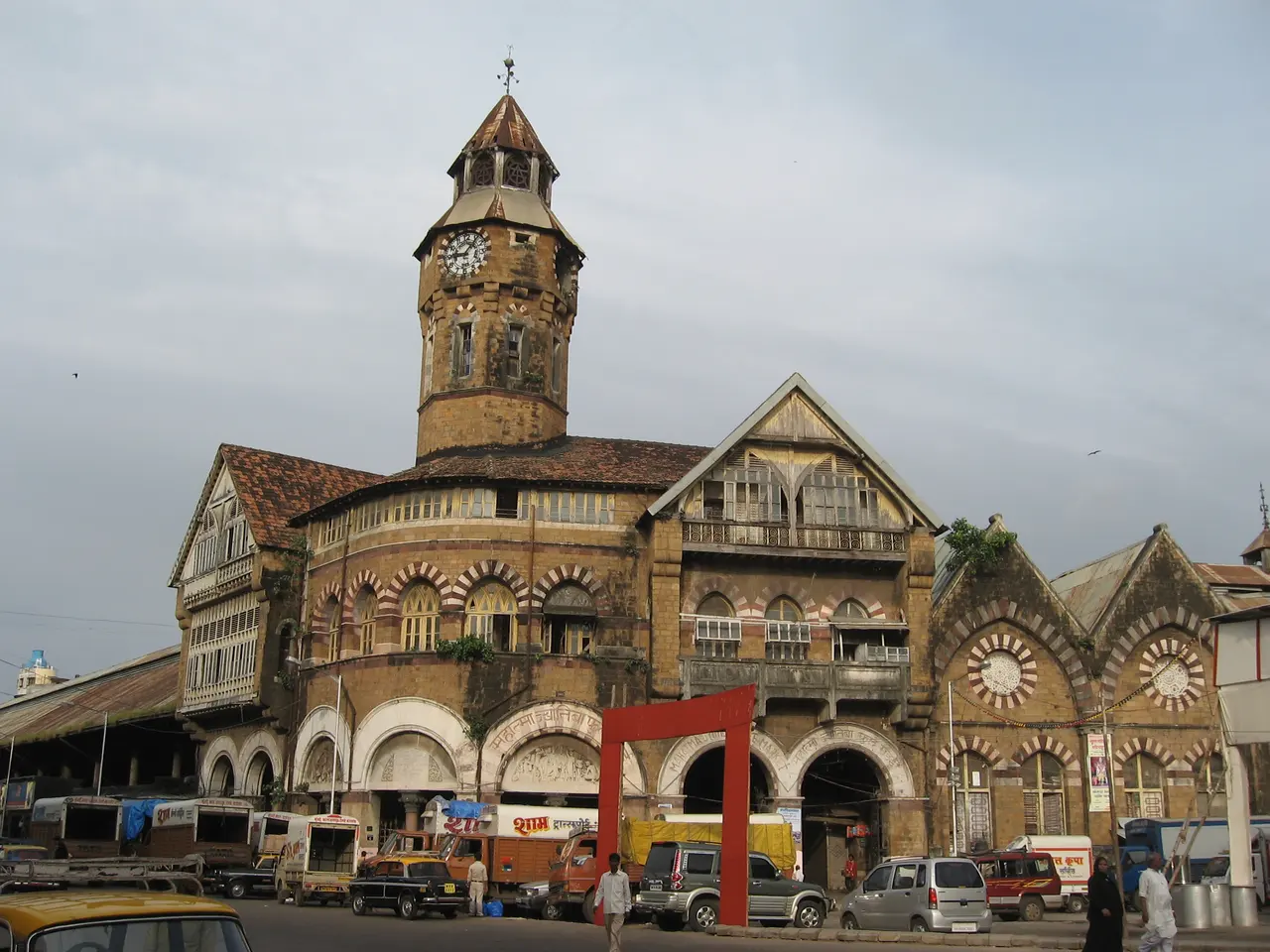
Begin your journey at the iconic Crawford Market, officially known as Mahatma Jyotiba Phule Mandai.
Established in 1869, this historic market is one of Mumbai's most recognisable commercial landmarks. Its distinctive architecture, covered market hall and busy surroundings make it an excellent starting point for discovering the city's traditional trading culture.
Inside and around the market, visitors can explore a variety of shops selling fresh produce, fruits, dry fruits, spices, household goods and other everyday products.
Look around and notice how the market operates. Porters move goods, shopkeepers arrange their merchandise, customers compare prices and traders communicate with one another. The activity creates an energetic atmosphere that reflects Mumbai's working spirit.
What to discover:
The historic market building and its architectural details.
Colourful displays of seasonal fruits and vegetables.
Traditional spice and dry-fruit shops.
The relationship between wholesale traders and local retailers.
Everyday shopping habits of Mumbai residents.
Photography opportunity: Capture the colourful market displays, old architectural features and lively commercial atmosphere. Always ask permission before photographing shopkeepers or workers.
2. Mangaldas Market – Discover India's Textile Traditions
A short walk from Crawford Market takes you towards Mangaldas Market, one of the city's well-known traditional textile trading areas.
This market is a fascinating destination for anyone interested in Indian clothing, fashion, fabrics and tailoring. Its narrow passages are lined with shops displaying colourful materials, dress fabrics and textiles in different patterns, textures and designs.
You may find cotton, silk, embroidered materials, dress fabrics and a wide range of textiles used for traditional and contemporary Indian clothing. Availability varies between shops and seasons.
For visitors interested in Indian fashion, this is an opportunity to understand how fabric shopping works in a traditional wholesale market.
Rather than simply looking at the finished garments, you can see the materials from which clothing is created and learn how customers select fabrics for tailoring, celebrations and everyday use.
What to discover:
Colourful Indian dress materials.
Fabric shopping and wholesale trading practices.
Traditional and contemporary textile designs.
Tailoring and custom clothing culture.
How local shoppers compare fabric quality and prices.
Shopping tip: If you plan to purchase fabric, ask about the material, width, price per metre and minimum quantity before making a decision.
3. Zaveri Bazaar – Explore Mumbai's Jewellery District
Continue towards Zaveri Bazaar, one of Mumbai's best-known jewellery trading neighbourhoods.
The streets here are closely associated with the city's jewellery business. Gold, silver, diamonds, precious stones and traditional ornaments form an important part of the area's commercial identity.
As you walk through the neighbourhood, you will notice specialised jewellery shops, workshops and businesses connected with the trade.
For many Indian families, jewellery has cultural and emotional significance. It is associated with weddings, festivals, gifts, family celebrations and long-standing traditions.
Your guide can explain the importance of jewellery in Indian customs and how specialised commercial districts develop around particular trades.
What to discover:
Traditional Indian jewellery designs.
Gold and silver trading culture.
Wedding and festive jewellery traditions.
The organisation of specialised jewellery businesses.
The difference between a traditional jewellery district and a modern shopping mall.
Visitor note: This is a working commercial area. Be respectful of shopkeepers and customers, and do not photograph security arrangements, private transactions or people without permission.
4. Bhuleshwar Market – Experience Traditional Mumbai
Bhuleshwar offers a very different atmosphere from the organised commercial lanes of the textile and jewellery markets.
This neighbourhood is known for its traditional shops, religious supplies, flowers, decorative products, household goods and colourful street activity.
The market streets are closely connected with local religious and community traditions. You may see vendors arranging flower garlands, shops selling offerings and decorations, and customers purchasing items for temples, ceremonies and festivals.
The experience becomes particularly interesting during festive periods when markets may be filled with additional decorations, flowers and seasonal products.
Bhuleshwar also gives visitors a glimpse of the relationship between traditional neighbourhood life and commercial activity.
What to discover:
Fresh flower stalls and garland-making.
Religious offerings and puja supplies.
Traditional household products.
Festival decorations and seasonal merchandise.
The everyday culture of one of Mumbai's historic neighbourhoods.
Cultural experience: Learn how flowers, offerings and decorative items are used during Indian religious ceremonies and family celebrations. Visitors should observe places of worship respectfully and follow local rules.
5. Mumbadevi Temple Area – Discover the City's Cultural Roots
The market walk can also include the neighbourhood around Mumbadevi Temple, subject to the group's interests and local access conditions.
Mumbadevi is an important religious landmark associated with the city's cultural history. The name Mumbai is widely linked to Mumba Devi, the goddess worshipped at the temple.
The surrounding streets offer an interesting combination of religious activity, traditional businesses and everyday neighbourhood life.
This stop adds a cultural dimension to the market experience. It helps visitors understand that Mumbai's markets are not separate from its communities and traditions — they have developed alongside them.
What to discover:
The cultural significance of Mumbadevi.
The connection between religious traditions and local markets.
Traditional shops and neighbourhood activity.
The role of temples in community life.
Visitors who wish to enter the temple should follow its current entry rules and dress and conduct guidelines.
6. Optional Extension – Chor Bazaar and Mumbai's Vintage Treasures
For visitors with additional time and an interest in antiques, collectibles and unusual objects, Chor Bazaar can be added as an optional extension.
Located around Mutton Street, Chor Bazaar is famous for its vintage atmosphere and variety of second-hand and old-style merchandise.
The shops and surrounding lanes may feature:
Old furniture and decorative objects.
Vintage clocks and lamps.
Brass and metal items.
Old-fashioned household products.
Film posters and memorabilia.
Collectibles and curiosities.
It is an interesting place for visitors who enjoy browsing through objects that have their own stories.
However, buyers should carefully check the condition, authenticity and ownership of valuable items. An item described as antique or vintage is not automatically an authenticated antique.
Important: Chor Bazaar is in a different neighbourhood from the main Crawford–Mangaldas–Zaveri–Bhuleshwar cluster. It is better treated as a separate extension rather than squeezed into a short walking route.
Suggested Market Tour Schedule
Time | Experience |
|---|---|
9:30 AM | Meet your local guide near Crawford Market |
9:45 AM | Explore Crawford Market and its historic surroundings |
10:45 AM | Walk through Mangaldas Market and discover Indian textiles |
11:30 AM | Explore Zaveri Bazaar and learn about jewellery traditions |
12:15 PM | Discover Bhuleshwar's traditional market lanes |
1:00 PM | Explore the Mumbadevi Temple neighbourhood |
1:30 PM | Finish the main market walk or enjoy an optional local food stop |
This is an illustrative itinerary. Actual timings and the sequence of stops may change according to market activity, shop opening hours, traffic, local conditions and the group's interests.
What Makes Mumbai's Markets Special?
Markets That Specialise in Different Trades
One of the most interesting features of Mumbai is how different commercial activities are concentrated in particular neighbourhoods.
A visitor can move from a fruit and spice market to a textile trading area, then into a jewellery district and finally through streets selling flowers and religious supplies.
These specialised markets help visitors understand how traditional commerce works in a large Indian city.
A Meeting Point of Communities
Mumbai has welcomed people from many parts of India and the world. Its markets reflect this diversity through languages, food habits, clothing, festivals, religious traditions and business practices.
A market walk offers a chance to observe this cultural mixture in an everyday setting.
Family Businesses and Traditional Skills
Many market businesses have developed through years of trading experience. Some shops are family-run, while others are part of larger wholesale networks.
Behind every product is a chain of people involved in sourcing, transporting, making, selling and delivering it.
A guided walk can help visitors appreciate the people and skills behind the products they see.
The Sounds, Colours and Flavours of Mumbai
Markets are among the most sensory places in the city.
You may hear vendors negotiating prices, see colourful fabrics displayed outside shops, smell freshly ground spices and notice the constant movement of goods and people.
These everyday details make the market experience memorable.
Local Food Experiences During the Market Tour
No exploration of Mumbai is complete without experiencing its food culture.
Depending on the route and the group's interests, a market walk can include a short refreshment stop at a local tea stall or a suitable food outlet.
Visitors may encounter popular Mumbai snacks such as:
Vada pav.
Samosa.
Kachori.
Pani puri.
Bhel puri.
Fresh seasonal juices.
Masala chai.
Food stops should be selected according to hygiene standards, food handling practices, availability and guest preferences. Anyone with allergies or dietary restrictions should inform the guide before the tour.
A market walk is primarily a cultural and shopping experience; food tastings should be confirmed as part of the actual tour arrangements rather than assumed to be included.
Shopping Tips for Visitors Exploring Mumbai Markets
Shopping in a traditional Indian market can be an enjoyable experience, especially if you understand a few local practices.
1. Compare prices: Check prices at a few shops before purchasing, particularly for fabrics, accessories and souvenirs.
2. Bargain politely: Negotiation may be common at some street stalls, but many established shops and wholesale businesses have fixed or less flexible prices.
3. Check product quality: Examine fabric, stitching, jewellery, packaging and the condition of second-hand items before buying.
4. Carry some cash: Smaller vendors may prefer cash, although payment options vary. Keep smaller denominations available.
5. Use a comfortable bag: A small crossbody bag or backpack that closes securely is useful in crowded lanes.
6. Wear comfortable footwear: Traditional markets involve walking through busy streets and narrow passages.
7. Ask before taking photographs: Markets are workplaces. Always respect the privacy of traders, workers and customers.
8. Avoid unnecessary purchases: Take time to understand what you are buying, especially when purchasing valuable or fragile products.
9. Be mindful of crowds: Stay aware of your belongings and follow your guide's instructions when crossing busy roads.
10. Respect local customs: Some market areas are close to religious places. Dress and behave appropriately.
Best Time to Explore Mumbai's Markets
The most comfortable months for exploring Mumbai are generally October to February, when the weather is usually more pleasant for walking.
For a market tour, weekday mornings are often a good choice because they allow visitors to experience working markets during active trading hours.
Keep these points in mind:
Morning: A good time to experience traditional trading activity.
Late morning: Suitable for exploring many established retail and wholesale areas.
Afternoon: Can be warmer and busier, depending on the neighbourhood.
Evening: Street shopping areas may become lively, but the traditional wholesale markets may have different operating patterns.
Sunday and public holidays: Some wholesale markets and individual shops may be closed.
Market schedules vary, so check the opening status of specific markets before planning your visit.
Why Explore Mumbai's Markets with Mumbai Dream Tours?
Exploring Mumbai's markets independently can be exciting, but the narrow lanes, busy roads and specialised trading areas may feel confusing to first-time visitors.
A local guide can make the experience more meaningful by explaining the history, products, customs and people behind the markets.
With Mumbai Dream Tours, the focus is on discovering Mumbai through local stories and cultural understanding rather than simply visiting shopping destinations.
During a guided experience, visitors can:
Explore traditional market neighbourhoods on foot.
Understand the different trades and products found in each area.
Learn about local shopping and bargaining practices.
Discover cultural traditions connected with flowers, jewellery, textiles and festivals.
Observe the everyday lives of Mumbai's traders and residents.
Ask questions and gain insights that may be missed during independent sightseeing.
Mumbai Dream Tours has been creating local experiences since 2016, with an emphasis on meaningful cultural discovery and respectful interactions with the communities that make Mumbai special.
Responsible Tourism in Mumbai's Markets
Mumbai's markets are active workplaces and important sources of livelihood for thousands of people.
Visitors can help maintain a positive environment by following a few simple principles:
Treat shopkeepers, workers and customers with respect.
Ask permission before taking photographs or recording videos.
Do not block shop entrances or busy pedestrian routes.
Avoid touching merchandise without permission.
Purchase directly from local businesses when possible.
Avoid encouraging activities that exploit workers, animals or vulnerable people.
Keep the market clean and dispose of waste responsibly.
The purpose of a market tour is not just to observe local life but to appreciate the people who make these neighbourhoods function every day.
Other Experiences to Combine with Your Mumbai Market Tour
If you have more time in Mumbai, you can combine your market exploration with other local experiences offered by Mumbai Dream Tours.
South Mumbai Heritage Walk: Discover colonial-era architecture, historic buildings and the stories of Mumbai's old Fort district.
Mumbai Street Food Tour: Explore the city's culinary culture and sample local favourites at carefully selected food stops.
Dhobi Ghat and Dabbawala Tour: Understand Mumbai's traditional laundry system and the remarkable lunchbox delivery network.
Mumbai by Dawn Tour: Experience the city early in the morning, including its flower market and the fishing activity around Sassoon Dock, subject to the itinerary.
Dharavi Slum Tour: Discover the creativity, small-scale industries and community life of one of Mumbai's best-known neighbourhoods through a respectful, locally guided experience.
Each experience offers a different perspective on the city and helps visitors understand Mumbai beyond its famous tourist attractions.
Frequently Asked Questions – Mumbai Market Tour
1. What is included in a Mumbai market tour?
A guided market walk can include visits to traditional shopping districts such as Crawford Market, Mangaldas Market, Zaveri Bazaar and Bhuleshwar. Exact inclusions depend on the selected itinerary.
2. How long does a Mumbai market tour take?
A focused walking tour of the main South Mumbai markets can take approximately 4–5 hours. Adding Chor Bazaar or additional shopping and food stops may require more time.
3. Which is the most famous market in Mumbai?
Crawford Market, officially Mahatma Jyotiba Phule Mandai, is among Mumbai's best-known historic markets. Other famous markets include Mangaldas Market, Zaveri Bazaar, Bhuleshwar and Chor Bazaar.
4. Which Mumbai market is best for buying clothes?
Mangaldas Market is well known for textiles and dress materials. Colaba Causeway, Fashion Street and Linking Road are also popular for ready-made clothing and accessories.
5. Where can I buy traditional Indian fabrics in Mumbai?
Mangaldas Market is a good place to explore a variety of Indian fabrics, dress materials and textiles.
6. Which market is famous for jewellery in Mumbai?
Zaveri Bazaar is one of Mumbai's best-known jewellery trading districts, with shops dealing in gold, silver, diamonds and traditional ornaments.
7. What can I buy at Crawford Market?
Visitors can explore shops selling fruits, dry fruits, spices, packaged goods, household products and other merchandise. The selection varies by shop.
8. Is bargaining allowed in Mumbai markets?
Bargaining is common at some street markets and informal stalls. Established shops and wholesale businesses may have fixed or less negotiable prices. Always negotiate politely.
9. Is the Mumbai market tour suitable for international tourists?
Yes. A guided market walk can be an excellent introduction to Indian shopping traditions, local culture and everyday life in Mumbai.
10. Is the market tour suitable for families?
Yes, families can enjoy the experience together. However, some market lanes are crowded, so children should remain close to accompanying adults and follow the guide's instructions.
11. Can I take photographs in Mumbai markets?
Photography opportunities are plentiful, but always ask permission before photographing people, private businesses or sensitive commercial activities.
12. Is food included in the Mumbai market tour?
Food and refreshments depend on the selected package. Optional stops can be discussed when arranging the experience.
13. Can I visit Chor Bazaar during the market tour?
Chor Bazaar can be included as an optional extension. Since it is in a different neighbourhood, additional time and transport or a separate route may be required.
14. What should I wear for a Mumbai market walk?
Wear comfortable clothing and walking shoes. Carry drinking water, sun protection and a small bag for personal belongings.
15. How can I book a Mumbai market tour?
You can contact Mumbai Dream Tours through the official website to enquire about the itinerary, available dates, group or private options and tour arrangements.
Book Your Mumbai Market Experience with Mumbai Dream Tours
Mumbai's markets are full of stories waiting to be discovered. From the historic architecture of Crawford Market to the colourful fabrics of Mangaldas Market, the jewellery lanes of Zaveri Bazaar and the traditional atmosphere of Bhuleshwar, every stop reveals a different part of the city's identity.
A market walk is an opportunity to see how Mumbai works, meet the neighbourhoods that keep the city moving and understand the traditions behind everyday products.
Whether you want to shop for Indian fabrics, discover traditional businesses, photograph colourful market scenes or simply experience local life, exploring Mumbai's markets with a knowledgeable guide can make your visit more meaningful.
Join Mumbai Dream Tours and discover the vibrant markets, fascinating traditions and everyday stories of Mumbai.
Mumbai Dream Tours – Real People. Real Stories. Unforgettable Mumbai.
Website: /
Phone / WhatsApp: +91 9004135215
Contact us to enquire about a guided Mumbai Market Tour and create your own journey through the city's colourful bazaars.