
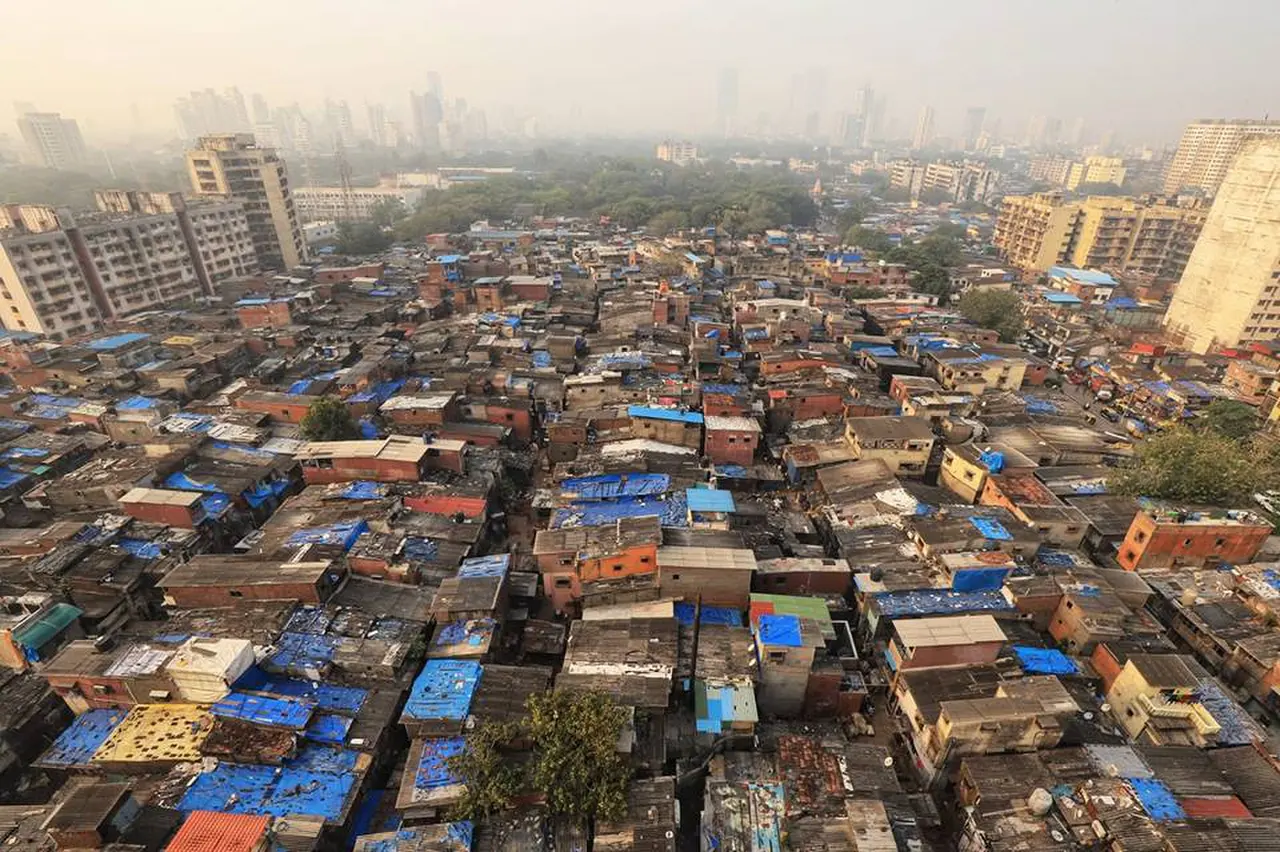
Dharavi Slum Tour: Breaking Barriers and Bridging Divides, One Step at a Time
When people hear the name Dharavi, they often imagine crowded lanes, modest homes and difficult living conditions. But what if there is much more to this neighbourhood than the images and headlines commonly associated with it?
Located in the heart of Mumbai, Dharavi is a neighbourhood shaped by migration, entrepreneurship, traditional craftsmanship, cultural diversity and strong community networks. Behind its narrow lanes are workshops, family-run businesses, recycling enterprises, pottery studios, bakeries and countless stories of people working hard to build better futures.
The Dharavi Slum Tour by Mumbai Dream Tours invites visitors to look beyond stereotypes and discover the human stories that make this neighbourhood an important part of Mumbai.
This is not simply a sightseeing walk. It is an opportunity to understand a community, appreciate the skills of local workers, learn about small-scale industries and build connections through respectful cultural exchange.
Every step through Dharavi can challenge an assumption. Every conversation can offer a new perspective. And every encounter can remind us that understanding begins when we take the time to listen.
Understanding Dharavi: More Than a Neighbourhood
Dharavi is situated between Mahim and Sion, within Mumbai's central urban area. Its development is closely connected with the history of migration and the growth of Mumbai as an industrial and commercial city.
People from different parts of India settled here over generations, bringing their languages, traditions, skills and occupations. Communities of leather workers, potters, textile artisans and other entrepreneurs helped shape the neighbourhood's identity.
The Maharashtra Government's Dharavi Redevelopment Project describes the area's history as closely linked to migration and records the development of its traditional pottery, leather, textile and recycling industries. The neighbourhood's economic activity also includes food processing, jewellery, small-scale engineering and other enterprises. https://drpmumbai.maharashtra.gov.in/en/About-Us/Dharavi-an-Overview
Today, Dharavi is both a residential neighbourhood and a centre of small-scale economic activity. Homes, workshops, shops and businesses often exist close together, creating a distinctive live-work environment.
It is important to recognise both sides of this reality. Dharavi has remarkable enterprise and community strength, but residents also face challenges related to housing, infrastructure, sanitation and access to services. A responsible tour should neither romanticise these challenges nor define the neighbourhood only by them.
Why Take a Dharavi Slum Tour?
A guided Dharavi walk offers a perspective of Mumbai that is very different from visiting monuments, shopping districts and popular tourist attractions.
It introduces visitors to the people who manufacture products, operate workshops, recycle materials, preserve traditional crafts and support local businesses.
The experience can help visitors:
Understand the history and development of Dharavi.
Discover the neighbourhood's small-scale industries.
Learn how recycling and material recovery businesses operate.
Appreciate traditional pottery and craftsmanship.
Understand the role of family-run enterprises.
Meet local people and hear community stories where interaction is welcomed.
Explore the cultural and religious diversity of the area.
Reflect on urban development, livelihoods and responsible tourism.
Most importantly, visitors leave with a more complete understanding of Dharavi as a living community rather than a place defined by a single label.
The Dharavi Slum Tour Experience with Mumbai Dream Tours
Mumbai Dream Tours organises guided walking experiences that introduce visitors to selected areas of Dharavi, its local businesses and its community life.
The tour is led by a knowledgeable local guide who helps explain the neighbourhood's history, industries and everyday activities. The route is planned to balance learning, observation and respectful interaction.
Here are some of the experiences that may form part of the walk.
1. Explore Dharavi's Recycling Industries
One of the most fascinating aspects of Dharavi is its recycling and material recovery sector.
Different small businesses work with materials such as plastic, metal and other recyclable items. Depending on the type of material and workshop, activities may include sorting, separating, cleaning, processing and preparing materials for reuse.
These businesses form part of wider supply chains that connect local workers with manufacturers and traders across Mumbai and beyond.
Visitors can learn how discarded materials are given another use and how recycling supports local livelihoods.
The experience also creates an opportunity to discuss the challenges of waste management, occupational safety and environmental responsibility.
It is important not to assume that every recycling activity is environmentally safe. Different processes have different impacts, and working conditions vary between businesses.
2. Discover Dharavi's Leather Industry
Dharavi has a long association with leather work and manufacturing.
The Maharashtra Government's overview traces the arrival of the first tannery in Dharavi to 1887, followed by the growth of communities and occupations associated with leather work. https://drpmumbai.maharashtra.gov.in/en/About-Us/Dharavi-an-Overview
Today, visitors may encounter small workshops and businesses involved in making leather products, depending on the route and access available.
Local manufacturers produce items such as bags, wallets, belts and other accessories. Some businesses work on individual orders, while others participate in larger supply chains.
A guided visit can introduce visitors to the different stages of production, the skills involved and the challenges faced by small manufacturers.
It is also a chance to appreciate the role of skilled workers who contribute to Mumbai's manufacturing economy.
3. Visit Kumbharwada – Dharavi's Traditional Pottery Community
One of the most distinctive parts of Dharavi is Kumbharwada, a neighbourhood associated with the traditional pottery-making community.
Pottery is an important part of its cultural and occupational identity. Families have preserved techniques and skills across generations, adapting their work to changing markets and customer requirements.
<AsyncImage query="Kumbharwada Dharavi Mumbai traditional potters clay pottery workshops" aspectRatio="16:9" width="100%"/>
During a guided visit, you may learn about:
Preparing and kneading clay.
Shaping pots and other objects on a pottery wheel.
Drying and finishing clay products.
Traditional firing methods.
The role of family knowledge in preserving craftsmanship.
How potters prepare products for different seasons and festivals.
If a pottery-making activity is included in your booking and the artisan is available, you may also have the opportunity to try shaping clay under local guidance.
For visitors, this can be one of the most memorable parts of the experience. It is not just about making a pot; it is about understanding the time, patience and knowledge behind a traditional craft.
4. Explore Small-Scale Manufacturing and Local Businesses
Dharavi is home to many small businesses operating in limited spaces.
Depending on the day's route and workshop access, visitors may learn about activities such as:
Embroidery and textile work.
Garment production.
Soap manufacturing.
Food preparation.
Bakery operations.
Packaging and other small-scale manufacturing.
Jewellery and accessories.
<AsyncImage query="Dharavi Mumbai small scale manufacturing workshop artisans embroidery garments" aspectRatio="16:9" width="100%"/>
These businesses demonstrate how people use practical skills, family networks and entrepreneurial thinking to create products and earn a living.
Some workshops may be open to visitors, while others may be busy, closed or unable to accommodate a group. The exact industries visited cannot be guaranteed.
5. Discover Dharavi's Bakery and Food Businesses
Food production is another part of Dharavi's local economy.
Small bakeries and food businesses prepare products for nearby residents and customers across the city. These enterprises demonstrate how neighbourhood businesses serve everyday needs.
A guided walk may introduce visitors to the role of food preparation and distribution in the local economy. Actual entry into production areas depends on the business's operating conditions and permission.
6. Walk Through Residential Lanes and Understand Community Life
A visit to Dharavi is not complete without understanding that the neighbourhood is primarily a place where people live their everyday lives.
Its residential lanes are filled with the routines of ordinary life: families preparing meals, children going to school, shopkeepers opening their businesses, neighbours meeting and workers heading to their workplaces.
The neighbourhood is culturally diverse, with residents from different linguistic, regional and religious backgrounds.
A responsible walking tour provides context about this diversity without treating people's homes or private lives as tourist attractions.
Visitors should remember that they are entering someone's neighbourhood. Respect, patience and consideration are essential.
7. Learn About Local Community Networks
One of the most meaningful aspects of Dharavi is the way people and businesses are connected.
Families, neighbours, traders, artisans and small manufacturers often rely on networks of trust and cooperation.
These relationships help businesses source materials, find customers, share skills and respond to changing market demands.
Your guide can explain how these networks contribute to daily life and how community relationships help the neighbourhood function.
Breaking Barriers Through Human Connection
The title of this experience reflects an important idea: travel can help people understand one another.
Many visitors arrive in Dharavi with questions shaped by documentaries, news stories, films or assumptions about urban poverty. Some expect to see only difficult living conditions. Others are curious about its industries and entrepreneurial activity.
A thoughtful guided experience can offer a more balanced perspective.
It creates opportunities to understand that:
People in Dharavi have ambitions, skills and professional identities.
Small businesses can be innovative even when they operate with limited resources.
Communities are complex and cannot be understood through stereotypes.
Economic activity and infrastructure challenges can exist side by side.
Respectful interaction is more meaningful than simply observing from a distance.
A tour cannot represent every resident's experience or explain every challenge facing the neighbourhood. However, it can be a starting point for learning and asking better questions.
Responsible Tourism: Respect Before Photography
At Mumbai Dream Tours, we believe that responsible tourism begins with respect for the people who welcome visitors into their neighbourhood.
Dharavi is not an open-air museum. It is a working and residential community, and every visitor has a responsibility to behave thoughtfully.
We encourage all guests to follow these guidelines.
Ask Before Taking Photographs
Always ask permission before photographing residents, workers, homes or private spaces.
Some workshops and business areas may have photography restrictions. Your guide will help identify where photography is appropriate.
Respect People's Privacy
Avoid looking into homes, entering private spaces or photographing families without consent.
A friendly conversation is welcome only when the other person is comfortable participating.
Follow Your Local Guide
Dharavi has narrow lanes, active workplaces and busy pedestrian areas. Stay with your guide, follow the designated route and pay attention to safety instructions.
Support Local Businesses
If you find something you like, consider purchasing directly from local artisans or businesses when products are available for sale.
Buying is always optional. Visitors should not feel pressured to make purchases.
Avoid Stereotypes and Sensational Language
Do not treat residents as objects of curiosity or make assumptions about their lives.
Instead of asking intrusive questions, take the opportunity to learn about people's skills, work and experiences through respectful conversation.
Be Mindful of Waste
Avoid littering, use waste bins where available and follow the guide's instructions throughout the walk.
Understand the Purpose of the Visit
The aim is to learn about the neighbourhood, its people and its economic activities—not to photograph poverty or enter homes without permission.
A Suggested Dharavi Slum Tour Itinerary – Approximately 2 Hours
The following is an illustrative itinerary based on the standard guided walking experience. The exact sequence may change according to workshop access, local activity, traffic around the meeting point and the guide's route.
Approximate time | Experience |
|---|---|
0:00–0:10 | Meet your guide at Third Wave Coffee, Mahim, and receive an introduction |
0:10–0:25 | Walk into selected parts of Dharavi and learn about its history |
0:25–0:50 | Discover recycling activities and small-scale industries |
0:50–1:10 | Learn about leather work and local manufacturing |
1:10–1:30 | Explore Kumbharwada and traditional pottery, subject to access |
1:30–1:45 | Understand residential life and community networks |
1:45–2:00 | Discuss local livelihoods, ask questions and conclude the experience |
Workshop visits and demonstrations depend on the operating schedules and permission of local businesses.
Optional Experiences to Make Your Visit More Special
Depending on your interests and the package confirmed, you may be able to add an experience to your Dharavi walk.
Pottery Making with Local Artisans
Try shaping clay under the guidance of a local potter. This hands-on activity offers a deeper appreciation of traditional craftsmanship.
Lunch with a Local Family
A vegetarian lunch with a local family may be arranged as an optional experience.
It offers an opportunity to enjoy a home-cooked meal, learn about local food traditions and spend time with a host family who has agreed to welcome guests.
The experience is subject to advance arrangement and host availability.
Dhobi Ghat and Dharavi Combination
If you want to explore more of Mumbai's working culture, consider combining Dharavi with a visit to Dhobi Ghat, the city's famous open-air laundry.
This combination introduces visitors to two very different examples of Mumbai's traditional working communities and service industries.
Explore the Dhobi Ghat and Dharavi Tour.
Is Dharavi Safe for Visitors?
Dharavi is a busy residential and commercial neighbourhood, and visitors regularly explore selected areas with local guides.
As with any densely populated urban area, visitors should remain aware of their surroundings and follow sensible precautions.
For a comfortable experience:
Explore with your guide and remain on the agreed route.
Wear comfortable, closed-toe walking shoes.
Be careful around workshop equipment and active work areas.
Watch for uneven surfaces, narrow passages and low overhead structures.
Avoid touching machinery, materials or products without permission.
Keep valuables secure and carry only what you need.
Follow your guide's instructions in crowded areas.
The tour involves walking through narrow lanes and working environments. Guests with mobility limitations, respiratory sensitivities or other accessibility requirements should discuss these before booking so that suitable arrangements can be considered.
No tour operator can guarantee that every location or working environment will be free from risk. The route should be adapted when local conditions require it.
What Should You Wear for the Dharavi Slum Tour?
We recommend practical, comfortable clothing suitable for walking through a busy urban neighbourhood.
Wear comfortable closed-toe shoes.
Choose lightweight clothing appropriate for the weather.
Dress modestly and respectfully.
Carry a hat or sun protection during warmer months.
Bring a small bottle of drinking water.
Avoid carrying unnecessary valuables.
During the monsoon season, some lanes may be wet or slippery, so suitable footwear is especially important.
Who Can Join the Dharavi Slum Tour?
The experience is suitable for a wide range of curious travellers, including:
International visitors: Understand a different side of Mumbai through local stories and guided exploration.
Families: Introduce older children and teenagers to community life, entrepreneurship and responsible travel in an age-appropriate way.
Students and educational groups: Learn about informal economies, recycling, migration, urban development, small businesses and traditional crafts.
Photographers: Explore the visual character of local industries and streets, while respecting photography restrictions and personal privacy.
Corporate groups: Discover entrepreneurship, resourcefulness, manufacturing and the organisation of small-scale businesses.
Researchers and cultural enthusiasts: Gain an introductory perspective on the neighbourhood's industries and community networks.
For school groups and other educational visits, the itinerary and suitability should be discussed in advance.
Dharavi and the Future: Understanding Change and Development
Dharavi is part of an ongoing discussion about housing, infrastructure, livelihoods and urban development in Mumbai.
The Maharashtra Government's Dharavi Redevelopment Project includes planning for housing, commercial activity, transport and public infrastructure. Its published planning material also recognises the importance of preserving the area's economic activity and the relationship between homes and livelihoods. https://drpmumbai.maharashtra.gov.in/en/Master-Plan/ProposePlan
For residents, redevelopment is not only about new buildings. It also raises important questions about where people will live, how businesses will continue operating, how workers will reach their workplaces and how community networks can be protected.
These questions deserve thoughtful discussion and the participation of the people affected by change.
A Dharavi tour is not a substitute for understanding every policy debate or the different views of residents. But it can help visitors appreciate why housing, work, identity and community are deeply connected.
Why Choose Mumbai Dream Tours?
Mumbai Dream Tours believes that the best way to understand a city is through the people who know it best.
Our Dharavi Slum Tour is designed to offer an informative and respectful introduction to the neighbourhood's local industries, traditional crafts and community life.
What makes the experience special?
Local guides: Learn from guides familiar with the neighbourhood and its everyday activities.
Industry-focused exploration: Discover recycling, leather work, pottery and other small businesses.
Cultural understanding: Learn about the communities, traditions and livelihoods that shape Dharavi.
Responsible approach: Respect privacy, seek consent and follow local guidelines.
Educational value: Understand the relationship between urban life, entrepreneurship and local economies.
Flexible experiences: Discuss optional pottery, family lunch and other arrangements when available.
Mumbai Dream Tours has been operating since 2016, offering visitors opportunities to discover Mumbai through local stories and guided experiences.
Book Your Dharavi Slum Tour with Mumbai Dream Tours
Dharavi is a neighbourhood that challenges visitors to look beyond first impressions.
Its industries reveal creativity and resourcefulness. Its artisans preserve traditional skills. Its businesses demonstrate entrepreneurship. Its communities show the importance of relationships and shared identity.
A guided visit can help you understand these different dimensions of Mumbai while encouraging a more thoughtful approach to travel.
Join Mumbai Dream Tours and discover Dharavi one step at a time.
Come with curiosity. Leave with understanding.
Mumbai Dream Tours – Real People. Real Stories. Unforgettable Mumbai.
Book your Dharavi Slum Tour:
/tours/dharavi-slum-tour/
Website: /
Phone / WhatsApp: +91 9004135215
Email: info@mumbaidreamtours.com
Frequently Asked Questions About the Dharavi Slum Tour
1. What is the Dharavi Slum Tour?
The Dharavi Slum Tour is a guided walking experience through selected areas of Dharavi, Mumbai. It introduces visitors to local industries, recycling businesses, pottery, leather work, community life and the neighbourhood's history.
2. How long does the Dharavi Slum Tour take?
The standard Mumbai Dream Tours walking experience is approximately 2 hours. The duration may vary depending on the route, group size and workshop access.
3. Where does the tour start?
The usual meeting point is Third Wave Coffee in Mahim, Mumbai. Please check your booking confirmation for the exact meeting instructions.
4. What will I see during the tour?
Depending on the route and access, you may explore recycling activities, leather workshops, pottery areas, small-scale manufacturing, bakeries and selected residential lanes.
5. Can I visit Kumbharwada?
Yes. Kumbharwada, Dharavi's traditional pottery community, may be included in the walking route, subject to the day's arrangements and local access.
6. Can I try pottery making?
A hands-on pottery activity may be available as an optional add-on. It should be requested in advance and is subject to artisan availability.
7. Can I take photographs inside Dharavi?
Photography is permitted only where appropriate. Always ask your guide before taking photographs of people, homes or working areas. Some locations may prohibit photography.
8. Is Dharavi safe for tourists?
Visitors regularly explore selected parts of Dharavi with local guides. As in any busy urban neighbourhood, it is important to follow the guide's instructions, remain aware of your surroundings and take normal precautions.
9. Do I need to be physically fit?
The tour involves walking through narrow lanes and some uneven surfaces. A moderate level of walking ability is recommended. Please discuss mobility requirements before booking.
10. Is the tour suitable for children?
Families can consider the tour for older children and teenagers who are interested in culture, local industries and community life. Parents should consider their children's age, interests and comfort with busy working environments.
11. Can students visit Dharavi for an educational tour?
Yes. The experience can introduce students to recycling, small businesses, urban development, entrepreneurship, migration and traditional crafts. Educational groups should contact the team in advance to plan the route.
12. Can I meet local residents?
You may have opportunities for respectful interaction with local business owners, artisans or residents when they are comfortable welcoming visitors. Conversations are never compulsory, and private interactions should not be assumed.
13. Is lunch with a local family available?
A vegetarian lunch with a local family may be arranged as an optional experience, subject to advance confirmation and host availability.
14. Can I combine Dharavi with Dhobi Ghat?
Yes. Mumbai Dream Tours offers a combined Dhobi Ghat and Dharavi experience. The combined tour takes longer than the standard Dharavi walk, so check the confirmed duration and itinerary before booking.
15. What should I wear?
Wear comfortable closed-toe walking shoes and modest, practical clothing suitable for walking through a busy neighbourhood.
16. Are hotel pickup and drop-off included?
The standard walking tour begins at the confirmed Mahim meeting point. Hotel, airport or port transfers may be available through a separate car-transfer package or as an additional arrangement.
17. Can I buy products made in Dharavi?
Where local businesses have products available for sale, you may be able to purchase directly from them. Buying is optional, and availability varies.
18. Does the tour operate every day?
Tour dates and departure options are subject to the current booking calendar and guide availability. Please check the website or contact the team for your preferred date.
19. Will every workshop be open during my visit?
No. Workshops are working businesses, not permanent visitor attractions. Operating hours, workload, permissions and other circumstances can affect access. The exact route and stops may change.
20. How can I book the Dharavi Slum Tour?
Visit the Mumbai Dream Tours Dharavi Slum Tour page or contact the team through WhatsApp or email. Share your preferred date, group size and any special requirements.