
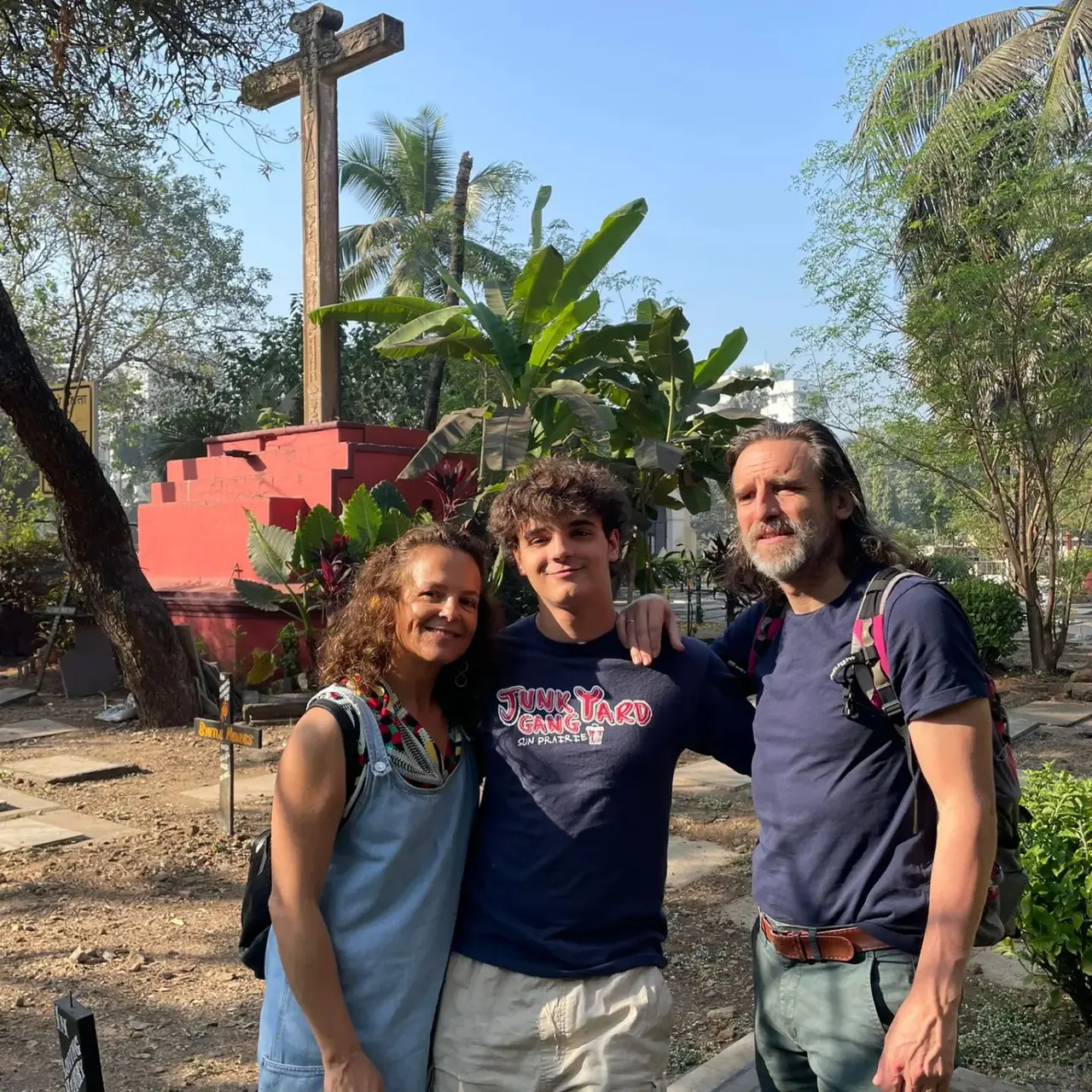
Discover the Hidden Gems of Bandra: A Heritage Walking Tour
Explore the historic lanes, charming villages, colonial-era churches and coastal beauty of Bandra with Mumbai Dream Tours.
Mumbai is a city of contrasts. Towering skyscrapers stand beside centuries-old buildings, busy commercial streets lead into quiet residential lanes, and modern cafés share neighbourhoods with traditional communities that have preserved their way of life for generations.
One of the best places to experience these contrasts is Bandra.
Often called the Queen of the Suburbs, Bandra is famous for its stylish restaurants, fashionable boutiques, Bollywood connections and vibrant nightlife. However, beyond its popular cafés and bustling shopping streets lies another Bandra – a neighbourhood shaped by Portuguese influence, East Indian traditions, fishing communities, historic churches and beautiful old houses.
A Bandra Heritage Walking Tour is an opportunity to discover this fascinating side of Mumbai. Instead of simply visiting popular attractions, you walk through the neighbourhood's older settlements, observe its architecture, hear stories of its communities and understand how Bandra evolved from a collection of villages into one of Mumbai's most recognisable suburbs.
With Mumbai Dream Tours, discover the stories behind the streets and experience Bandra through the eyes of its local heritage.
1. Bandra: A Neighbourhood with a Fascinating History
Long before Bandra became known for celebrity homes, shopping streets and modern apartments, it was a collection of small coastal settlements and villages.
Its history has been influenced by Portuguese rule, Catholic missionary activity, local East Indian communities, fishing settlements and later British administration. Over time, these influences shaped Bandra's architecture, religious institutions, food traditions and distinctive neighbourhood identity.
The old village pockets, locally known as pakhadis, are particularly important to understanding Bandra. Some still retain narrow lanes, traditional houses, old crosses, colourful façades and architectural details that offer glimpses of an earlier way of life.
Today, Bandra is a fascinating blend of old and new. A short walk can take you from a historic church to a quiet village lane, then past colourful street art and into a lively shopping district.
This contrast makes Bandra one of the most interesting neighbourhoods to explore on foot.
2. Bandra Fort – Stories from the Portuguese Era
Begin your exploration at Bandra Fort, also known as Castella de Aguada, located at Land's End.
Built during the Portuguese period in the 17th century, the fort was strategically positioned to overlook Mahim Bay and the surrounding coastline. Its location made it an important observation and defence point along this stretch of the western coast.
Although much of the original fortification has changed over time, the remaining structures offer a glimpse into Bandra's colonial past.
Today, the fort is also one of the area's most scenic spots. Visitors can enjoy views of the Arabian Sea, the Bandra-Worli Sea Link and the Mumbai coastline.
During the heritage walk, your guide can explain the importance of the fort, its Portuguese connections and the role coastal settlements played in the region's history.
What makes it special:
Historic Portuguese-era fortification.
Beautiful views of Mahim Bay and the Arabian Sea.
Excellent location for photography.
An introduction to Bandra's colonial history.
3. Bandstand Promenade – Where History Meets the Sea
From Bandra Fort, continue towards the famous Bandstand Promenade.
Bandstand is one of Mumbai's best-known waterfront promenades. Locals visit for morning walks, evening strolls, exercise and spectacular sea views.
The promenade also reveals another side of Bandra's identity. It is a place where the city's modern lifestyle meets its older coastal character.
As you walk along the seafront, you can observe the changing skyline, traditional neighbourhoods nearby and the impressive Bandra-Worli Sea Link stretching across the water.
The area is also associated with Mumbai's film industry and celebrity culture, making it popular with visitors interested in Bollywood.
However, the real charm of Bandstand is not just its popularity. It is the way the waterfront connects the neighbourhood's history, community life and modern development.
4. Mount Mary Basilica – A Historic Centre of Faith
One of the most significant landmarks in Bandra is the Basilica of Our Lady of the Mount, popularly known as Mount Mary Church.
Situated on a hill overlooking the Arabian Sea, this beautiful Roman Catholic basilica is an important place of worship and pilgrimage.
The church attracts visitors and devotees from different backgrounds throughout the year. Its peaceful surroundings, architecture and hilltop location make it one of Bandra's most recognisable heritage landmarks.
One of the most important events associated with the basilica is the annual Mount Mary Feast, celebrated around September. The occasion attracts large numbers of devotees and visitors, and the surrounding area becomes lively with the famous Bandra Fair.
During the heritage walk, visitors can learn about the church's religious significance, its traditions and its place in the history of Bandra.
Whether you are interested in architecture, history, religion or local culture, Mount Mary is an essential stop.
Visitor tip: Dress respectfully, maintain silence inside the church and follow any instructions displayed for visitors. Access to certain areas may be restricted during religious services.
5. Ranwar Village – Discover the Traditional East Indian Community
One of the most fascinating parts of the Bandra Heritage Walking Tour is Ranwar Village.
Hidden among the busy streets of Bandra West, Ranwar is one of the neighbourhood's historic village settlements.
The village is closely associated with Mumbai's East Indian community, whose cultural traditions and local identity form an important part of the city's heritage.
Walking through Ranwar feels very different from exploring modern Bandra. Its narrow lanes are lined with old houses, colourful façades, wooden balconies, traditional windows and charming architectural details.
Some houses feature sloping red-tiled roofs, decorative railings, old doors and Portuguese-influenced design elements. Small crosses and neighbourhood shrines add to the character of the area.
These homes are not simply old buildings. Many are part of living residential communities where families have maintained their connections to the neighbourhood over generations.
A local guide can help visitors understand:
The history of Bandra's original village settlements.
The East Indian community and its cultural traditions.
Traditional residential architecture.
The influence of Portuguese-era design.
How older neighbourhoods are changing with modern development.
Ranwar is particularly interesting for architecture enthusiasts, photographers and travellers who enjoy discovering places beyond the usual tourist attractions.
A respectful way to explore: Remember that Ranwar is a residential neighbourhood, not an open-air museum. Keep noise levels low, respect residents' privacy and always ask permission before photographing people or private homes.
6. Chapel Road – Street Art, Heritage and Local Stories
Chapel Road is another fascinating stop on the heritage walk.
Known for its vibrant street art and creative atmosphere, Chapel Road showcases a different side of Bandra.
The walls and buildings along this area feature colourful murals, artistic expressions and visual stories that bring the streets to life. The neighbourhood has become popular with photographers, artists and visitors interested in Mumbai's urban culture.
The Bollywood Art Project has also contributed to Bandra's street-art identity through murals celebrating Indian cinema and popular culture.
But Chapel Road is more than a collection of colourful walls. It is also part of the older residential landscape of Bandra, where traditional houses and modern artistic expressions exist side by side.
As you explore, notice the contrast between old architecture, painted walls, narrow lanes and the changing character of the neighbourhood.
This is an excellent opportunity to understand how communities reinterpret and preserve their surroundings while adapting to modern urban life.
7. Waroda Road – Exploring Bandra's Changing Identity
Waroda Road offers another interesting glimpse into Bandra's past and present.
Historically associated with the older East Indian neighbourhoods, this area reflects the changes taking place across Bandra.
Traditional houses and older residential buildings can still be found alongside modern developments, independent businesses and contemporary urban spaces.
Walking through these streets helps visitors understand that heritage is not limited to monuments and churches. It also exists in everyday neighbourhoods, family homes, local customs and the memories of people who have lived there for generations.
The story of Waroda Road is also connected to the challenges faced by historic neighbourhoods as property values rise and urban development changes the character of older communities.
A heritage walk gives visitors a chance to look beyond the appearance of a street and understand the stories that make it meaningful.
8. Chimbai Village – Discover Bandra's Traditional Fishing Community
For another fascinating contrast, explore Chimbai Village, a traditional fishing settlement near Bandstand.
While Bandra is often associated with upscale residences, cafés and fashionable shopping streets, Chimbai offers a glimpse into the area's coastal roots.
The village is closely connected with the Koli fishing community, one of Mumbai's traditional coastal communities.
Fishing has played an important role in the history and livelihood of communities across Mumbai's coastline. Chimbai provides an opportunity to understand this connection and see a side of Bandra that many visitors might otherwise miss.
As you walk through the neighbourhood, you may notice:
Traditional homes and narrow residential lanes.
Fishing-related equipment and everyday coastal activity.
Local shrines and community spaces.
The contrast between older village life and modern buildings nearby.
Chimbai is particularly valuable because it reminds visitors that Mumbai's identity is deeply connected to the sea and the communities that have lived along its coastline for generations.
Please remember that this is a working residential and fishing neighbourhood. Be considerate of local residents and avoid photographing people or private spaces without permission.
9. St. Andrew's Church – An Important Part of Bandra's Colonial Heritage
Another important landmark associated with Bandra's history is St. Andrew's Church, located on Hill Road.
Originally built by Portuguese Jesuits in 1575, St. Andrew's is among the oldest churches in Mumbai.
The church reflects the strong Portuguese and Catholic influence that shaped Bandra's history. Its long association with the local community makes it an important religious and heritage landmark.
The architecture, setting and history offer visitors an opportunity to understand the role of churches in the development of Bandra's early settlements.
It is also a reminder of how religious institutions helped shape community life, education and local identity over several centuries.
For visitors interested in colonial architecture and Mumbai's religious heritage, St. Andrew's Church is a worthwhile stop.
10. The Old Houses of Bandra – Architecture That Tells a Story
One of the most enjoyable aspects of a Bandra heritage walk is discovering the old residential houses scattered throughout its historic neighbourhoods.
Some of these homes feature architectural details that are increasingly difficult to find in modern Mumbai.
Look out for:
Sloping red-tiled roofs.
Wooden balconies and verandas.
Decorative window frames.
Traditional wooden doors.
Colourful exterior walls.
Old-style railings and architectural ornamentation.
Small gardens and traditional courtyard spaces.
These houses reflect a combination of local building traditions and historical influences.
Their value is not only architectural. They also represent the memories, lifestyles and cultural identity of the families and communities that have called Bandra home.
For photographers and architecture lovers, these details offer countless opportunities to appreciate the beauty of Mumbai's older residential neighbourhoods.
11. Hill Road and Linking Road – From Heritage Lanes to Modern Bandra
Bandra's story does not end with its historic villages and churches.
The neighbourhood is also famous for its energetic commercial streets, particularly Hill Road and Linking Road.
Hill Road is known for its clothing shops, footwear stores, street-side shopping and lively atmosphere. Linking Road is another popular destination for fashion, accessories and bargain shopping.
These streets show how Bandra has transformed into a major shopping and lifestyle destination.
A heritage walking tour can offer a fascinating contrast between the traditional village lanes and the busy commercial areas that define modern Bandra.
If you have additional time after your walk, you can explore the local shops, enjoy a coffee at a neighbourhood café or sample some of Bandra's popular food options.
12. Why Explore Bandra on a Heritage Walking Tour?
Bandra is a neighbourhood best experienced slowly.
Travelling through it in a car may help you cover distances, but walking allows you to notice details that are easy to miss: an old wooden balcony, a village cross, a traditional house, a small chapel or a mural hidden along a narrow street.
A guided walking tour adds another dimension by connecting these places with stories, history and local experiences.
Here are some reasons to explore Bandra on foot:
Discover lesser-known places: Explore historic settlements and neighbourhood lanes beyond the main tourist attractions.
Understand local communities: Learn about the East Indian and Koli communities and their contribution to Bandra's identity.
Explore architectural heritage: Observe old houses, churches, traditional balconies and colonial-era influences.
Enjoy photography opportunities: Capture colourful streets, historic buildings, murals and coastal views while respecting local privacy.
Learn from a local guide: Understand the stories behind the places you visit rather than simply seeing them.
Experience two sides of Mumbai: Discover the contrast between traditional village life and modern urban development.
13. Suggested Bandra Heritage Walking Tour Itinerary
The following is an illustrative route that can be adapted according to the starting point, walking pace, weather, access and interests of the group.
Stop | Experience |
|---|---|
St. Andrew's Church | Discover an important landmark of Bandra's colonial-era history |
Ranwar Village | Explore traditional East Indian neighbourhood lanes |
Chapel Road | Discover street art and historic residential streets |
Waroda Road | Understand the changing character of old Bandra |
Chimbai Village | Learn about the traditional Koli fishing community |
Mount Mary Basilica | Explore one of Bandra's most important religious landmarks |
Bandstand Promenade | Enjoy coastal views and the neighbourhood atmosphere |
Bandra Fort | Discover Portuguese-era history and scenic views |
Depending on the chosen route, the walk can take approximately two to three hours. The actual duration and stops should be confirmed when booking.
14. Best Time to Enjoy a Bandra Heritage Walk
Mumbai's weather can influence your walking experience, so choosing the right time is important.
Early mornings: A pleasant option for visitors who prefer quieter streets and cooler temperatures.
Late afternoons: A good time to explore the neighbourhood as the light softens and the coastal areas become more pleasant.
Winter months: Generally comfortable for outdoor exploration, particularly between November and February.
Monsoon season: Bandra can look beautiful during the rains, but slippery lanes and heavy showers may affect the experience. Carry suitable footwear and check weather conditions before setting out.
The annual Mount Mary Feast and Bandra Fair in September can also be an interesting time to experience the neighbourhood's religious and cultural atmosphere, although the area becomes considerably busier.
15. Responsible Tourism: Respecting Bandra's Living Heritage
Bandra's heritage is not limited to buildings and monuments. It is also preserved through its residents, families, local businesses, religious institutions and traditional communities.
As visitors, we have a responsibility to explore these places respectfully.
A few simple practices can make a difference:
Ask permission before photographing residents.
Avoid entering private properties without an invitation.
Keep your voice low in residential lanes.
Respect religious customs and dress appropriately when visiting churches.
Do not litter or damage historic buildings.
Support local cafés, shops and small businesses where possible.
Listen to local stories with curiosity and respect.
At Mumbai Dream Tours, we believe that responsible tourism should create meaningful connections between visitors and local communities. A heritage walk should help travellers appreciate a neighbourhood while respecting the people who make it special.
16. Discover Bandra with Mumbai Dream Tours
If you want to explore a side of Mumbai that goes beyond famous monuments and busy shopping streets, a Bandra Heritage Walking Tour is an excellent experience.
With Mumbai Dream Tours, discover the neighbourhood's historic streets, beautiful architecture, local communities and coastal landmarks with the help of a knowledgeable local guide.
Our Bandra walk offers an opportunity to understand the stories behind the places you visit and experience the area's unique character at a relaxed pace.
Whether you are a first-time visitor to Mumbai, a history enthusiast, a photographer, a student or a local resident looking to rediscover the city, Bandra has something interesting to offer.
Walk through its old villages, admire its historic churches, discover colourful murals and enjoy the sea views that make this neighbourhood so special.
Come beyond the usual tourist attractions and discover the real stories of Bandra with Mumbai Dream Tours.
Book your Bandra Walking Tour:
Website: /
WhatsApp: +91 9004135215
Mumbai Dream Tours – Real People. Real Stories. Unforgettable Mumbai.
Frequently Asked Questions (FAQs)
1. What is a Bandra Heritage Walking Tour?
A Bandra Heritage Walking Tour is a guided exploration of the historic neighbourhoods, churches, traditional villages, architecture and cultural landmarks of Bandra, Mumbai.
2. What are the main attractions covered?
Depending on the selected route, highlights may include Bandra Fort, Bandstand Promenade, Mount Mary Basilica, Ranwar Village, Chapel Road, Chimbai Village and St. Andrew's Church.
3. How long does a Bandra walking tour take?
A typical heritage walk may take approximately two to three hours, depending on the route, walking pace and time spent at each attraction.
4. Is Bandra worth visiting in Mumbai?
Yes. Bandra offers a combination of history, architecture, local culture, street art, shopping, food and beautiful coastal views. It is an excellent neighbourhood for visitors who want to explore a different side of Mumbai.
5. What is Ranwar Village famous for?
Ranwar is one of Bandra's historic village settlements and is associated with the East Indian community. It is known for its narrow lanes, traditional houses and distinctive architectural character.
6. What is Chimbai Village famous for?
Chimbai is a traditional coastal settlement associated with Mumbai's Koli fishing community. It offers a glimpse into Bandra's older fishing and coastal heritage.
7. Is Bandra Fort the same as Castella de Aguada?
Yes. Bandra Fort is popularly known as Castella de Aguada. It is a historic Portuguese-era fortification located at Land's End in Bandra.
8. Can I visit Mount Mary Basilica during the walking tour?
Visitors can generally visit the basilica, subject to opening hours, religious services and any restrictions in place on the day.
9. Is the Bandra Heritage Walk suitable for photography?
Yes. The neighbourhood offers interesting architectural details, street art and coastal views. However, always ask permission before photographing residents or private properties.
10. Is the walking tour suitable for families?
The experience can be suitable for families who enjoy walking and learning about local history. Comfortable footwear and drinking water are recommended.
11. What should I wear for the Bandra walking tour?
Wear comfortable walking shoes and light, breathable clothing. Modest clothing is recommended when visiting religious places.
12. What is the best time for a Bandra Heritage Walk?
Early mornings and late afternoons are generally pleasant options. November to February is often comfortable for outdoor sightseeing.
13. Can international tourists join the Bandra walking tour?
Yes. International visitors interested in Mumbai's history, architecture and local culture can enjoy the experience. Tour language and guide arrangements should be confirmed during booking.
14. Is a local guide recommended?
A local guide can make the experience more informative by explaining the history, traditions and community stories behind Bandra's landmarks and residential neighbourhoods.
15. How can I book a Bandra Walking Tour with Mumbai Dream Tours?
Visit / or contact Mumbai Dream Tours on WhatsApp at +91 9004135215 to enquire about tour schedules and booking arrangements.